If your AC is broken, you may notice that your home is not as cool as it should be. The AC may also make strange noises, leak water, or have uneven cooling. If you suspect that your AC is broken, it is important to call a professional to diagnose and repair the problem.
Understanding when your AC is malfunctioning is crucial, and it’s not always evident. A broken air conditioner can be caused by several factors, including mechanical issues, electrical problems, or even a simple clogged air filter. In some cases, the issue may not be with your AC unit at all but rather with the ductwork, thermostat, or other components of the cooling system.
We’ll go over both subtle and not-so-subtle indications that your air conditioner may be running in this blog post, so you can decide whether you need to call a contractor for repairs based on the knowledge you have.
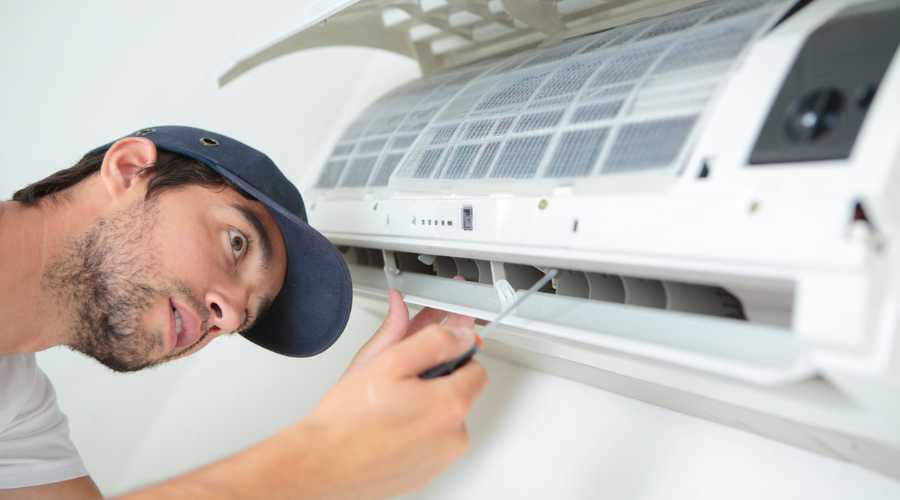
Common signs of a broken AC unit
How do I know if my AC is broken and when to call a professional largely depends on the common signs of a broken AC Unit, which are as follows:
Lack of Cool Air: One of the most obvious signs of a malfunctioning AC unit is when it fails to cool the air properly or blows out warm air. This could indicate issues with the compressor, refrigerant levels, or a faulty thermostat.
Weak Airflow: If you notice that the airflow from your AC vents is significantly weaker than usual, it may suggest a problem with the blower fan, clogged air filters, or blocked ducts.
Strange Noises: Unusual or loud noises coming from your AC unit, such as grinding, squealing, or rattling, could indicate loose or damaged components, worn-out belts, or motor issues.
Leakage or Moisture: The presence of water leaks or excessive moisture around the AC unit can be a sign of a blocked or broken condensate drain, which needs prompt attention to prevent further damage.
Foul Odors: Foul smells emitting from the AC vents could be a sign of mold or mildew growth inside the unit or ductwork, which requires immediate attention to maintain indoor air quality.
Frequent Cycling: If your AC unit frequently turns on and off (short-cycling), it may be due to an oversized system, a faulty thermostat, or issues with the compressor, and it can lead to increased wear and tear on the unit.
Thermostat Problems: Incorrect temperature readings, failure to respond to changes, or constant running can indicate thermostat malfunctions, which may require recalibration or replacement.
High Humidity Levels: An AC unit that fails to adequately dehumidify your living space might have issues with the refrigerant levels or the evaporator coil, leading to discomfort and potential mold growth.
If you find any of the above problems or a combination of two or more problems, you have to call an air conditioner technician to get the problem solved and secure yourself. However, to be more sure, before calling a technician, read the points discussed below.
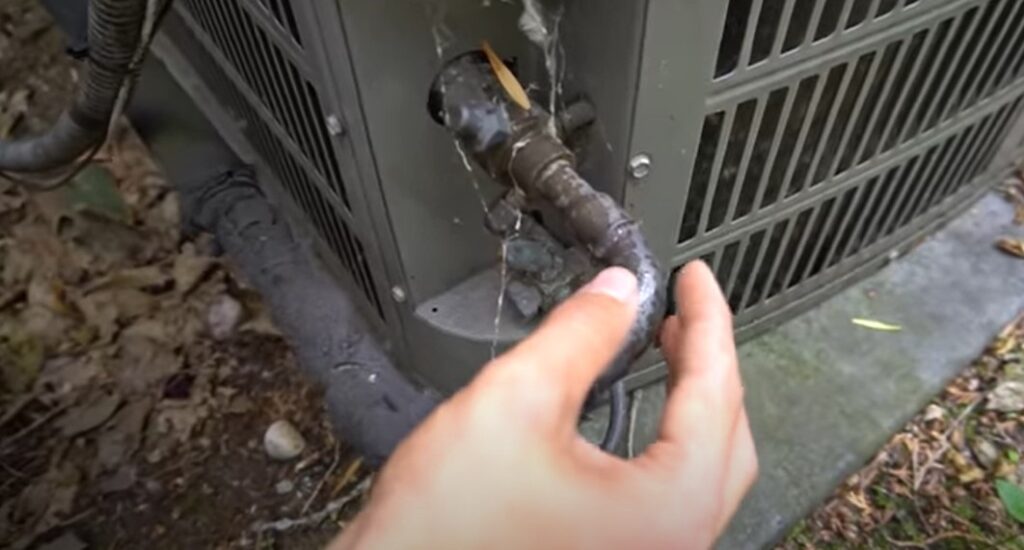
When to Call an HVAC Technician for Repairs?
It’s essential to call a qualified HVAC technician if you notice any of the signs mentioned above. Prompt action can prevent further damage to your AC system and potentially save you from costly repairs or replacements. Additionally, seek professional help in the following situations:
Complete AC Failure: If your AC unit stops working altogether, it’s evident that something is seriously wrong, and you should contact an HVAC technician immediately.
Refrigerant Leaks: If you suspect refrigerant leaks, do not attempt to fix them yourself. Refrigerants are hazardous substances, and a licensed professional should handle their handling, repair, or recharge.
Electrical Issues: Any problems with the electrical components of your AC unit, like wiring problems or circuit breakers tripping frequently, should be addressed by a qualified technician.
Unusual Smells: Strange odors coming from the AC system could indicate potential health hazards or risks to your AC unit’s functionality. A professional can diagnose and resolve these issues safely.
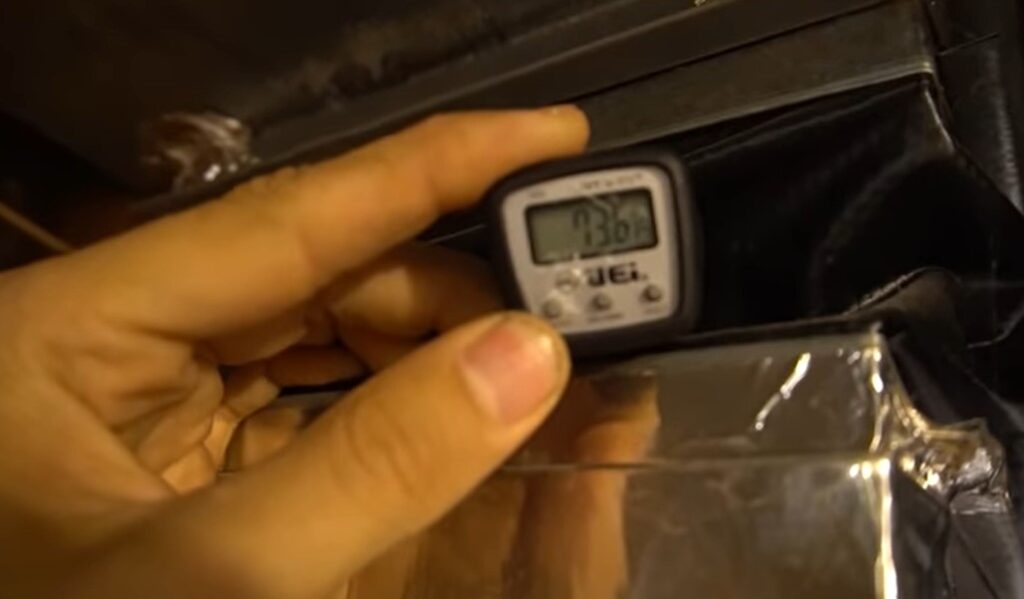
Excessive Moisture or Leaks: Water leakage around the AC unit can lead to water damage and mold growth. A technician can identify the source of the leaks and rectify the problem.
Unusual Noises: Uncommon sounds from your AC unit might signify internal issues that need immediate attention to prevent further damage.
Remember, regular maintenance of your AC unit can also help prevent major breakdowns and extend its lifespan. Schedule annual maintenance checks with a professional HVAC technician to ensure your AC system operates efficiently and reliably.
Is my AC broken or is it just hot?
If your air conditioner is blowing hot air, it could be because the coolant levels are low. It could also be a sign that your air conditioner is overworked and needs to be serviced. If you live in an area with high temperatures, it’s also possible that your air conditioner is just working overtime to keep your home cool.
If you’re unsure, it’s always best to call a professional to diagnose the problem.
How do I know if my AC is broken in my car?
If your car’s air conditioner isn’t working, there are a few things you can check before taking it in for repair. First, make sure that the air conditioner is turned on. Many cars have a separate control for the air conditioner, so it’s easy to accidentally leave it off.
If the air conditioner is on but not blowing any air, there may be an issue with the blower motor. Try turning the blower motor on and off to see if it starts working. If the blower motor doesn’t seem to be working, it may need to be replaced.
If the air conditioner is on and the blower motor is working but there is still no air coming out of the vents, there may be a problem with the air conditioning compressor. This is a more serious issue that will likely require professional repair. If you’re not sure what’s causing your car’s air conditioner to stop working, it’s best to take it to a mechanic or dealership for diagnosis and repair.
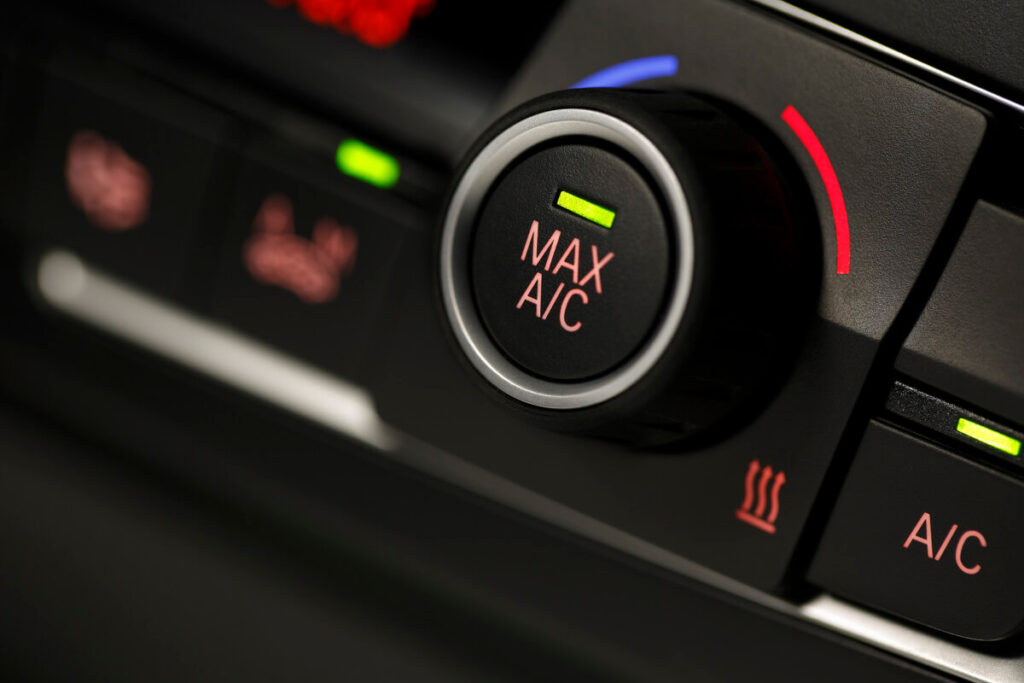
How to check if car ac is working properly
If your car’s air conditioning isn’t working properly, there are a few things you can do to check if it’s working properly.
- First, make sure that the air conditioning is turned on. If it is, check the temperature setting to make sure it’s set to the correct temperature.
- If the temperature is set correctly, check the vents to make sure they’re open.
- If they’re not, open them and see if that helps.
- If the vents are open and the air conditioning still isn’t working properly, check the air filter.
- If it’s dirty, replace it with a clean one and see if that helps.
- If the air filter is clean and the air conditioning still isn’t working properly, check the compressor.
- If it’s not working, you may need to have it replaced.
What to check if ac is not working
If your AC unit is not working, there are a few things you can check before calling a professional. First, check the circuit breaker to see if it has tripped. If it has, simply reset it and see if that fixes the problem.
If not, check to see if the unit is properly plugged in. Sometimes, a loose connection can cause the unit to shut down. If those two things don’t work, take a look at the thermostat to see if it is set properly.
The temperature should be set lower than the current temperature in the room for the AC to turn on. If it is set correctly and the AC still isn’t working, there may be an issue with the AC unit itself, and you’ll need to call a professional.
AC broken how to cool down house
If your air conditioner has broken, and you’re trying to figure out how to keep your house cool, there are a few things you can do. First, try to keep all the windows and doors in your house closed. This will help keep the cool air in and the hot air out.
You can also try to use fans to help circulate the cool air throughout your house. Finally, if you have any ice, you can put it in front of the fan to help cool down the air even more.
How to tell if your AC is dying?
As the weather gets warmer, many of us begin to rely on our air conditioners to keep us cool and comfortable. But what happens when your AC unit starts to show signs of trouble? How can you tell if it’s simply in need of a tune-up or if it’s on its last legs?
Here are some telltale signs that your AC unit is nearing the end of its lifespan:
1. It’s Not Blowing Cold Air: If your AC unit is no longer blowing cold air, the refrigerant levels are likely low.
This is often due to a leak in the system, which can be repaired. However, if the leak can’t be fixed or the refrigerant levels can’t be restored, then it’s time to replace the unit.
2. It’s Making Strange Noises: If your AC unit starts making strange noises, it could be a sign that the compressor is failing. This is a major repair and is usually not worth the cost, so it’s best to simply replace the unit.
3. The Fan Isn’t working: If the fan isn’t working, then the air won’t be able to circulate, and the unit will be useless. This could be caused by a faulty motor or a broken blade. Again, it’s best to just replace the unit.
Signs that you need your ac repaired
If your air conditioner isn’t working properly, it may be time to have it repaired. Here are some signs that you should look for:
1. The air conditioner isn’t cooling the room properly.
2. The air conditioner is making strange noises.
3. The air conditioner is leaking water.
4. The air conditioner’s thermostat isn’t working properly.
If you notice any of these signs, it’s best to call a professional air conditioning repair service to have your AC unit checked out. Trying to repair an air conditioner yourself can be dangerous, so it’s always best to leave it to the experts.
Signs you need an air conditioner repair
If you notice any of the following signs, it’s time to call in a professional for an air conditioner repair:
1. Your energy bills have spiked: If you’ve noticed a sudden increase in your energy bills, it could be a sign that your air conditioner is working overtime to compensate for a mechanical issue.
2. The air coming from your vents is warm: If the air conditioner is running but the air coming from the vents is only warm, it’s a sign that the unit isn’t working properly.
3. The unit is making strange noises: If your air conditioner is making strange noises, it could be a sign that there is something wrong with the compressor or another internal component.
4. The unit is leaking: If your air conditioner is leaking water, it could be a sign that the coils are frozen or that there is another issue with the unit.
5. The unit isn’t turning on: If the air conditioner isn’t turning on, it could be a sign of a tripped breaker or a blown fuse.
How do I know if I blew out my AC?
If your air conditioner is blowing hot air, it may be because it is low on refrigerant. You can check the level of refrigerant by looking at the pressure gauge on the AC unit. If the pressure is low, it means that the AC is low on refrigerant and needs to be refilled.
Another way to tell if your AC is low on refrigerant is if it is blowing out warm air instead of cold air. If your AC is blowing out warm air, it means that the refrigerant is not circulating properly and needs to be refilled.
Why is my AC running but not cooling?
If your AC is running but not cooling, there are a few potential causes. One possibility is that the air filter is dirty and needs to be replaced. Another possibility is that the AC unit is low on refrigerant.
This is a common problem that usually requires a professional to fix. Finally, it’s possible that the AC unit itself is faulty and needs to be replaced. If your AC is running but not cooling, it’s best to call a professional to diagnose the problem and recommend a solution.
How do I know if my air conditioner needs to be replaced?
If your air conditioner is more than 10 years old, it may be time to start thinking about replacing it. Here are some signs that your AC may need to be replaced:
- Your energy bills have been increasing, even though you haven’t been using the AC anymore or less than usual.
- The AC isn’t cooling your home as well as it used to.
- You’ve been having to call for repairs more often.
- There is water leaking from the AC unit.
- The AC unit is making strange noises.
How do you tell if AC is broken or needs a recharge?
If your car’s air conditioning isn’t working, there are a few things you can check before taking it to a mechanic.
- First, make sure that the air conditioning switch is turned on. Sometimes, the switch can get turned off by accident.
- If the switch is on, check to see if the air conditioning compressor is running.
- If it isn’t, the problem could be a blown fuse or a problem with the compressor itself.
- If the compressor is running, the next step is to check the air conditioning lines for leaks.
- If you see any leaks, you’ll need to have them repaired before the system can be recharged.
2 Things You Can Check if Your AC is Broken
Conclusion
If your air conditioner is blowing hot air, it could be an indication that it is broken. Another way to tell if your AC is broken is if it is making strange noises or if it isn’t cooling your home as it should. If you suspect your AC is broken, the best course of action is to call a professional for help.

Thanks for mentioning how strange noises are a sign that your AC needs to be repaired. Over the past week, my 2 other roommates and I have noticed an odd banging noise coming from our AC unit outside. We’ll have to hire a repair service to service our unit this weekend.
Sometimes it sucks…