Many of us are wondering how to make my room colder without AC, as temperatures begin to rise. We’re looking for a break from the heat in our homes. While air conditioning is often the go-to solution for keeping cool, it can be expensive and environmentally unfriendly.
Fortunately, there are a variety of creative and effective ways to lower the temperature in your room without relying on AC. From simple DIY hacks to strategic use of natural resources, this post will explore six innovative ways to make your room cooler and more comfortable.
Whether you’re looking to save money on your energy bill or simply want to reduce your carbon footprint, these tips are sure to help you beat the heat.
So, if you’re ready to transform your space into a refreshing oasis, read on for our expert advice on how to make your room colder without AC.
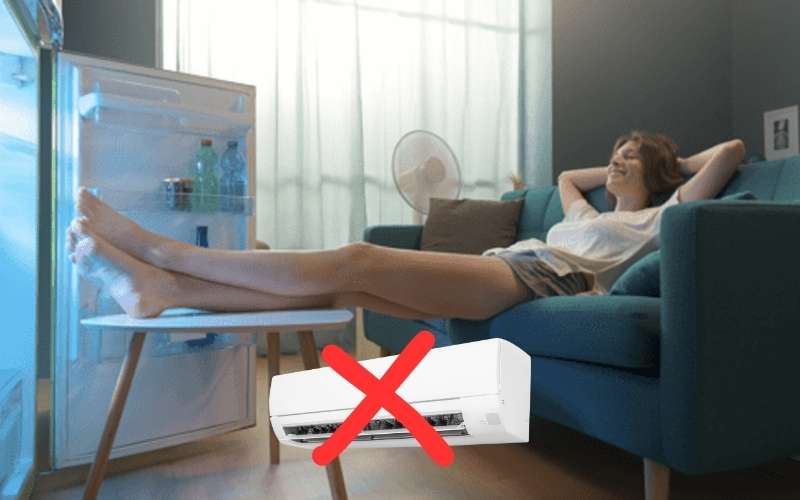
How To Make My Room Colder Without AC | 6 Simple Hacks
Here are six creative ways to make your room colder without using an air conditioner:
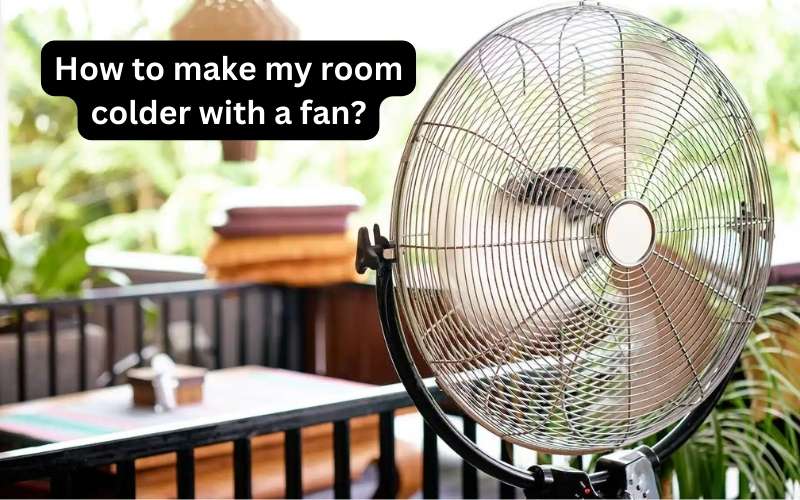
1. Strategic Fan Placement:
Place a bowl of ice or a frozen water bottle in front of a fan. The fan will blow the cold air from the ice throughout the room, providing a cooling effect.
2. Cotton Sheets and Damp Towels:
Swap out heavy bedding for lightweight cotton sheets, which allow for better airflow and breathability. You can also hang damp towels or sheets in front of an open window. As the breeze passes through them, it will create a cooling effect.

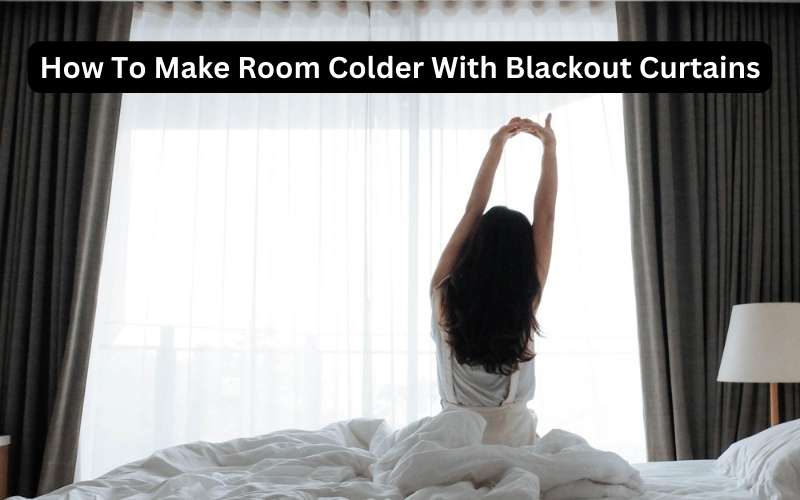
3. Blackout Curtains or Reflective Coverings:
During the day, keep curtains and blinds closed to block out the heat from the sun. If possible, use blackout curtains or reflective coverings that repel sunlight and keep the room cooler.
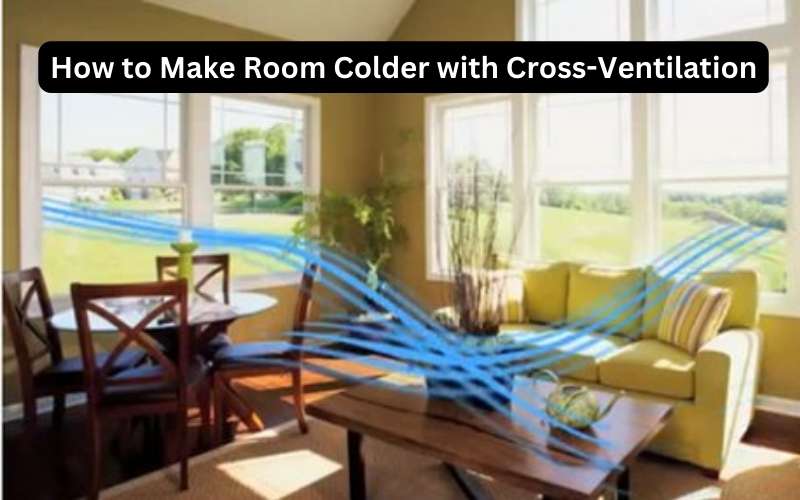
4. Cross-Ventilation:
Open windows on opposite sides of the room to create cross-ventilation. This will allow fresh air to circulate, flushing out warm air and reducing the overall temperature.
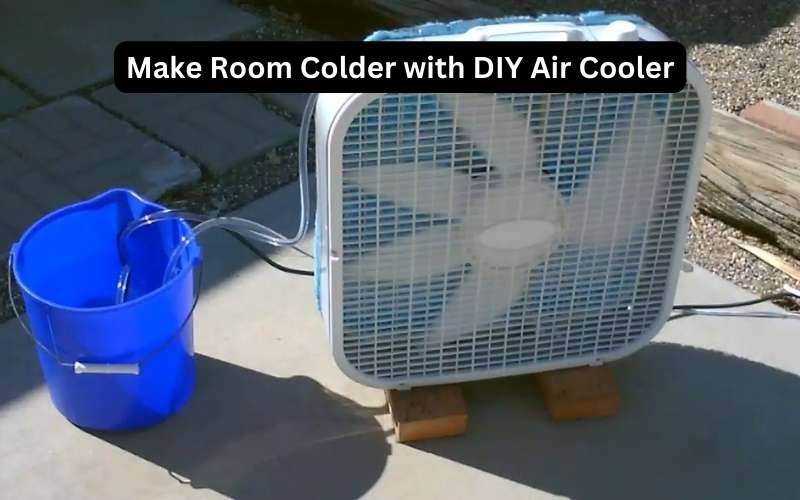
5. DIY Air Cooler:
Create a DIY air cooler by placing a shallow pan filled with ice in front of a fan. The air will pass over the ice, creating a cool breeze as it circulates in the room.
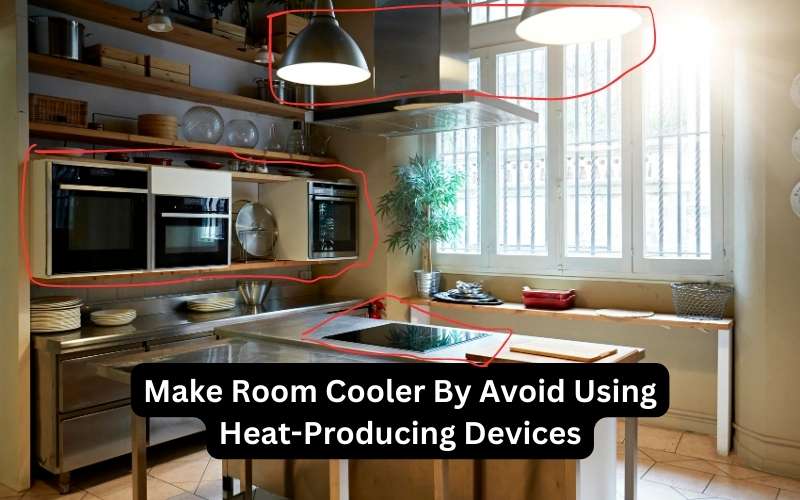
6. Avoid Heat-Producing Devices:
Turn off or minimize the use of heat-producing devices such as computers, lamps, and incandescent light bulbs. These can raise the room’s temperature and make it feel warmer.
By combining these methods, you can effectively make your room cooler without relying on an air conditioner. However, keep in mind that these solutions may not be as effective as air conditioning, especially during extreme heat waves.
How to make a room cooler without ac?
There are a few ways to make your room colder without using air conditioning. These are:
- Open your windows
- Cold air from outside will help to cool down your room
- Close your blinds or curtains
- This will help to keep the sunlight out, making your room cooler
- Turn on a fan
- The moving air will help to evaporate any sweat and make you feel cooler
- Place a bowl of ice in front of the fan
- The air from the fan will circulate the cold water, cooling down the room
How can I make my room cold ASAP?
There are a few things you can do to make your room cold ASAP. First, close all the windows and doors in your room. This will help to trap the cold air inside.
Next, turn on the air conditioner if you have one. If you don’t have an air conditioner, you can put a bowl of ice in front of a fan. The fan will blow the cold air from the ice around the room, cooling it down.
Finally, if you have any thick curtains or blinds, close them to keep out the warm sunlight.
How can I make my room cold without AC or window?
There are a few ways to make your room cold without AC or window. One way is to use a fan. You can set the fan to blow cool air into the room.
Another way is to use a cold water bottle. Place the cold water bottle in the room and the room will start to cool down. Another way is to use ice.
You can put ice in a bowl and place it in the room. The room will start to cool down.
How to cool down a room fast?
When the weather gets hot, the last thing you want is to be stuck in a stuffy room. Luckily, there are a few easy ways to cool down a room fast. One of the quickest ways to cool down a room is to open the windows.
This will allow fresh air to circulate and help to lower the temperature. If it’s too hot to open the windows, you can try opening the doors to create a cross breeze. Another way to cool down a room is to use a fan.
Fans help to circulate the air and can make a room feel several degrees cooler. If you don’t have a fan, you can try hanging a wet towel in front of an open window. The evaporating water will help to cool the air.
You can also try cooling down your body temperature to make the room feel cooler. Try taking a cool shower or wearing light, loose-fitting clothing. You might also want to avoid hot foods and drinks, as they can make you feel even hotter.
By following these simple tips, you can cool down a room fast and make it more comfortable to be in.
How to make your room colder at night?
If you’re like most people, you probably enjoy a comfortable temperature in your bedroom at night. But what if you’re finding it hard to sleep because your room is too warm? Luckily, there are a few easy ways to make your room colder at night, so you can get a good night’s sleep.
First, make sure to close your curtains or blinds before going to bed. This will help keep the sunlight out and prevent your room from heating up too much during the day. Next, open a window to let in some cool air.
If it’s not too cold outside, you can even sleep with the window open to really let the fresh air in. If you have a ceiling fan, make sure to turn it on before you go to bed. The circulating air will help to cool down your room.
Finally, if you have a portable air conditioner, you can use it to lower the temperature in your room to whatever level is comfortable for you. Just make sure to turn it off when you wake up in the morning so you don’t waste energy. By following these simple tips, you can make your room colder at night and get the good night’s sleep you need.
Hacks to cool down a room
When the weather outside is hot and humid, the last thing you want is to be inside a stuffy, hot room. There are a few easy hacks you can do to help cool down a room without cranking up the air conditioning. First, close the blinds or curtains to keep the sun from shining in and heating up the room.
If you have a ceiling fan, make sure it’s set to rotate counter-clockwise so it will push the cooler air down into the room. You can also put a bowl of ice in front of the fan to help circulate cooler air. If your room is still feeling a bit too warm, try hanging a wet sheet in front of an open window.
The evaporating water will help cool down the air coming into the room. Finally, try placing a few houseplants around the room. Plants help to naturally purify the air and can also help to cool down a room by releasing moisture into the air.
With these simple hacks, you can easily cool down a room without making it feel like a sauna.
How to keep room cool in summer naturally?
When the weather outside is blazing hot, the last thing you want is for your home to be a sauna. But cranking the air conditioner can cost a pretty penny. If you’d rather save some cash and keep your home cool naturally, there are a few things you can do.
First, keep your blinds and curtains closed during the day. This will help block out the sun’s hot rays and keep the temperature inside your home down. At night, open up the windows to let in the cooler air.
Another way to keep your home cool is to use fans. Ceiling fans and standing fans can help circulate the air and make the room feel cooler. Finally, you can also try some DIY air conditioning.
Fill a bowl with ice and place it in front of a fan. The air from the fan will blow over the ice and create a cool, refreshing breeze. With these tips, you can keep your home cool and comfortable all summer long – without breaking the bank.
How to cool down a room without a fan?
It’s hot outside and the last thing you want is to come inside to a stuffy, humid house. But don’t despair, there are a few ways to cool down your home without cranking up the air conditioning or using a fan. One way to cool down a room is to use a dehumidifier.
Dehumidifiers work by removing moisture from the air, which can make a room feel cooler and less muggy. You can find dehumidifiers at most home improvement stores or online. Another way to cool a room is to open the windows.
This will let in fresh, cooler air from outside. If it’s not too hot outside, you can also turn on ceiling fans or portable fans to help circulate the air and keep the room cool. Finally, if you have an air conditioner, make sure it’s properly serviced and clean.
A dirty air conditioner can make a room feel warmer than it should. By following these tips, you can stay cool and comfortable all summer long – no fan required!
How to cool down a room fast with ac?
If you want to cool down a room fast with your air conditioner, there are a few things you can do. First, set the thermostat to the lowest temperature possible. Then, close all the doors and windows in the room.
If possible, block out any sunlight coming into the room by closing the curtains or blinds. Finally, turn on the ceiling fan to help circulate the cool air. If you have an oscillating fan, you can place it in front of the air conditioner to help distribute the cool air evenly throughout the room.
How to cool down a room with a fan?
When it’s hot outside, the last thing you want is for your home to feel like a sauna. Luckily, there are a few easy ways to cool down a room with a fan. First, close any doors and windows to keep the cool air in and the hot air out.
If you have blinds or curtains, close them as well. Next, place one or more fans in the room so that they’re pointing towards the door or window. The fans will help push the hot air out and the cool air in.
If you have a ceiling fan, turn it on as well. The blades will help circulate the air and cool things down even more. Finally, if you have a portable air conditioner, now is the time to use it.
Place it in the room and turn it on. The cool air it produces will help lower the temperature in the room. With these tips, you can easily cool down a room on a hot day.
Just make sure to close the doors and windows when you’re done so that the cool air doesn’t escape.
How to cool a room with ice?
Looking to keep cool this summer without cranking up the air conditioning? One popular (and effective) method is to use ice to cool down a room. Here are a few tips on how to get started:
1) Fill a large bowl or bucket with ice and place it in front of a fan. The fan will help circulate the cool air from the ice, making the room feel cooler.
2) Hang a wet sheet in front of an open window. As the water evaporates, it will help to cool down the air coming into the room.
3) Place a bowl of ice water in front of a fan and position the fan so that it blows the air across the room.
4) Fill a spray bottle with cold water and mist the room as needed.
5) Make your own air conditioner by placing a large block of ice in front of a fan. The cold air from the ice will mix with the warmer air in the room, creating a cooler overall temperature.
With these tips, you can enjoy a cool and comfortable room without breaking the bank on your energy bill.
12 Ways to Escape the Heat If You Don’t Have an Air Conditioner
Conclusion
There are a few ways to make your room colder without using an AC unit. One way is to use a fan. By circulating the air in the room, the fan will help to evaporate any sweat on your body and will also help to cool the room down.
Another way to make your room colder is to lower the thermostat on your heater. This will cause the room to cool down gradually over time. Finally, you can also try opening the windows in your room to let in cooler air from outside.
