If your home air conditioner breaker trips frequently, it may be time to reset it. Here’s how to do it: first, locate the breaker box and identify the breaker that controls your air conditioner. Then, turn off the power to the air conditioner at the breaker box.
Next, check for any loose wires or other damage that could be causing the problem. Once you’ve found and repaired any damage, you can turn the power back on and reset the breaker.
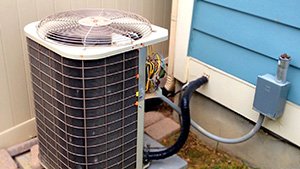
How to Reset an Air Conditioner Breaker?
- Locate the circuit breaker box in your home or building. This is typically located in a utility room, basement, or garage.
- Identify the circuit breaker that controls the air conditioner. This may be labeled as “AC” or “HVAC”.
- Turn off the circuit breaker by flipping it to the “Off” position.
- Wait at least 10 seconds before turning the circuit breaker back on.
- Turn on the circuit breaker by flipping it to the “On” position.
- Check that the air conditioner is functioning properly.
If the air conditioner is still not working, repeat the steps above. If the problem persists, it may be necessary to call a professional to diagnose and fix the issue.
Tips:
- If you are unsure which circuit breaker controls the air conditioner, refer to the user manual or contact the manufacturer for guidance.
- Make sure to turn off any other appliances or devices that may be connected to the same circuit breaker before resetting it.
Safety Precaution
Working with electrical components can be dangerous and it is important to take appropriate safety precautions. Before beginning any work on your air conditioner, be sure to shut off the power to the unit at the breaker box. This will help prevent electrical shocks and other accidents.
It is also a good idea to wear protective gear, such as gloves and safety glasses, to protect yourself from electrical shocks and other hazards.
If you are unsure about how to safely reset your air conditioner breaker, or if you are uncomfortable working with electrical components, it is best to call a licensed electrician for assistance. Do not attempt to reset the breaker if you are unsure of what you are doing, as this could result in serious injury or damage to your air conditioner.
Air conditioner circuit breaker will not reset
If your air conditioner’s circuit breaker will not reset, there could be a few possible causes. Here are some steps you can try to troubleshoot the issue:
- Check the circuit breaker panel to ensure that the circuit breaker for the air conditioner has not tripped. If it has, you can try flipping the switch to the “off” position and then back to the “on” position to reset it.
- Check the air conditioner’s electrical cord and plug for any visible damage or loose connections. If the cord or plug is damaged, you may need to have it replaced.
- Check the air conditioner’s filter and make sure it is clean. A dirty or clogged filter can cause the unit to overheat, which can trip the circuit breaker.
- If the circuit breaker continues to trip, there may be a problem with the air conditioner itself. In this case, you may need to call a professional technician to diagnose and repair the issue.
- If the circuit breaker is not tripped and there are no visible issues with the cord, plug, or filter, there may be a problem with the electrical wiring in your home. In this case, it is important to have a qualified electrician assess the issue.
How to reset the breaker for the air conditioning in the breaker box
What is the Purpose of Resetting an Air Conditioner Breaker?
If your air conditioner trips your circuit breaker, it’s likely because it’s drawing too much power for the circuit. Resetting the breaker allows the air conditioner to draw less power and hopefully avoid tripping the breaker again. If you continue to have issues with your air conditioner tripping your breaker, you may need to upgrade your electrical service or get a new air conditioner.
How Do You Know When an Air Conditioner Breaker Needs to Be Reset?
Most air conditioners have a dedicated circuit breaker in the electrical panel. If the air conditioner trips this breaker, it will need to be reset in order to resume operation. There are a few things that can cause the breaker to trip, such as a power surge or short circuit.
If the breaker trips frequently, there may be an issue with the wiring or the air conditioner itself and it should be inspected by a qualified technician.
How Do You Reset an Air Conditioner Breaker?
If your air conditioner’s breaker has tripped, there are a few things you can do to reset it. First, check to see if there is anything plugged into the outlet that could be causing the problem. If there is, unplug it and try resetting the breaker again.
If that doesn’t work, you may need to replace the fuse or circuit breaker.
How do I turn my AC breaker back on?
To turn your air conditioner’s circuit breaker back on, follow these steps:
- Locate the circuit breaker panel in your home. This is usually located in a utility room, basement, or closet.
- Identify the circuit breaker for the air conditioner. It should be labeled or have an AC symbol next to it.
- Flip the switch for the air conditioner circuit breaker to the “off” position.
- Wait a few seconds, and then flip the switch back to the “on” position.
- Check to see if the air conditioner is now functioning properly. If it is not, you may need to try some of the other troubleshooting steps mentioned in my previous response.
How do I know if my AC breaker is tripped?
To determine if your air conditioner’s circuit breaker has tripped, you will need to locate the circuit breaker panel in your home. This is usually located in a utility room, basement, or closet.
Once you have located the circuit breaker panel, look for the circuit breaker that controls the air conditioner. It should be labeled or have an AC symbol next to it.
If the switch for the air conditioner circuit breaker is in the middle position, or if it is in the “off” position but will not stay in the “on” position when you try to reset it. This indicates that the circuit breaker has tripped. In this case, you can try resetting the circuit breaker by flipping the switch to the “off” position and then back to the “on” position.
Can resetting the breaker fix AC?
In some cases, resetting the circuit breaker for your air conditioner can fix the issue and restore power to the unit. If the circuit breaker has tripped, resetting it can resolve the issue and allow the air conditioner to operate normally.
However, if the circuit breaker continues to trip after resetting it, there may be a deeper issue with the air conditioner or the electrical system in your home.
How to reset outside air conditioner breaker?
- Locate the air conditioner’s breaker box. This is typically located near the air conditioner unit itself, but it may also be located in a central breaker panel for your home.
- Identify the breaker for the air conditioner. The breaker will be labeled, so look for a label that indicates which circuit controls the air conditioner.
- Shut off the power to the air conditioner by switching the breaker to the “off” position.
- Wait a few minutes, then switch the breaker back to the “on” position.
- Test the air conditioner to make sure it is functioning properly.
Do I need to reset the breaker for my ac to work?
It is possible that resetting the breaker for your air conditioner may help restore power to the unit if it has stopped working. However, there may be other reasons why your air conditioner is not functioning properly, and resetting the breaker may not fix the issue.
If your air conditioner is not working, it is a good idea to check the breaker first to see if it has tripped. If the breaker has tripped, resetting it may restore power to the unit. However, if the breaker has not tripped and the air conditioner is still not working, there may be another issue at play.
Conclusion
In conclusion, resetting the air conditioner breaker is a simple task that can help restore power to your air conditioner if it has stopped working. To reset the breaker, locate it in the electrical panel, switch it to the off position, and then back to the on position. Test your air conditioner to make sure it is working properly after the breaker has been reset.
Remember to always use caution when working with electrical components and to follow proper safety procedures. If you are unsure about how to safely reset your air conditioner breaker, or if you are uncomfortable working with electrical components, it is best to call a licensed electrician for assistance.
