The most likely cause is that the unit is overheating.
This can be due to a number of factors, such as a dirty filter or coils, restricted airflow, or a problem with the compressor.
If the unit is overheating, it will trip the reset button in an effort to protect itself from damage.
Other possible causes of a reset button that keeps popping include a faulty thermostat or an electrical issue.
In any case, it’s best to have a qualified technician take a look at your unit to diagnose and resolve the problem.
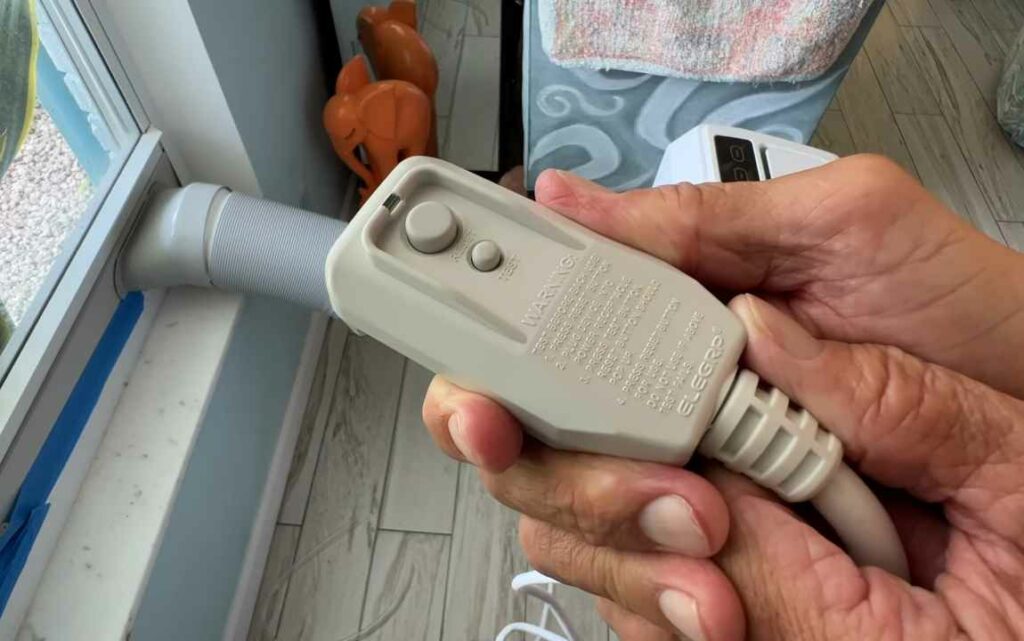
If you have an air conditioner, you know that the reset button is important. This button helps to keep your air conditioner working properly.
However, you may have noticed that the reset button keeps popping.
This can be frustrating, and it may even cause your air conditioner to stop working.
There are a few things that could be causing this problem.
First, there may be something wrong with the wiring in your air conditioner.
If this is the case, you’ll need a professional to look at it and fix the problem.
Another possibility is that the reset button itself is defective. If this is the case, you must replace it with a new one.
Finally, there may be too much pressure build-up in your air conditioner.
In this case, you’ll need to release some of the pressure by pressing on the release valve. Once you do this, your reset button should start working again properly.
My air conditioner reset button keeps popping up
If your air conditioner’s reset button keeps popping up, it could be due to a few different things.
The most likely culprit is a dirty or clogged filter. If the filter is dirty, it can restrict airflow and cause the unit to overheat.
Another possibility is that the coils are frozen. This can happen if the unit isn’t getting enough air flow, causing ice to build up on the coils.
If this is the case, turn off the unit and let it thaw for a few hours before restarting it.
Finally, make sure that nothing is blocking the intake or exhaust vents, as this can also lead to overheating.
Why does the reset button on my air conditioner keep popping out when I plug it in
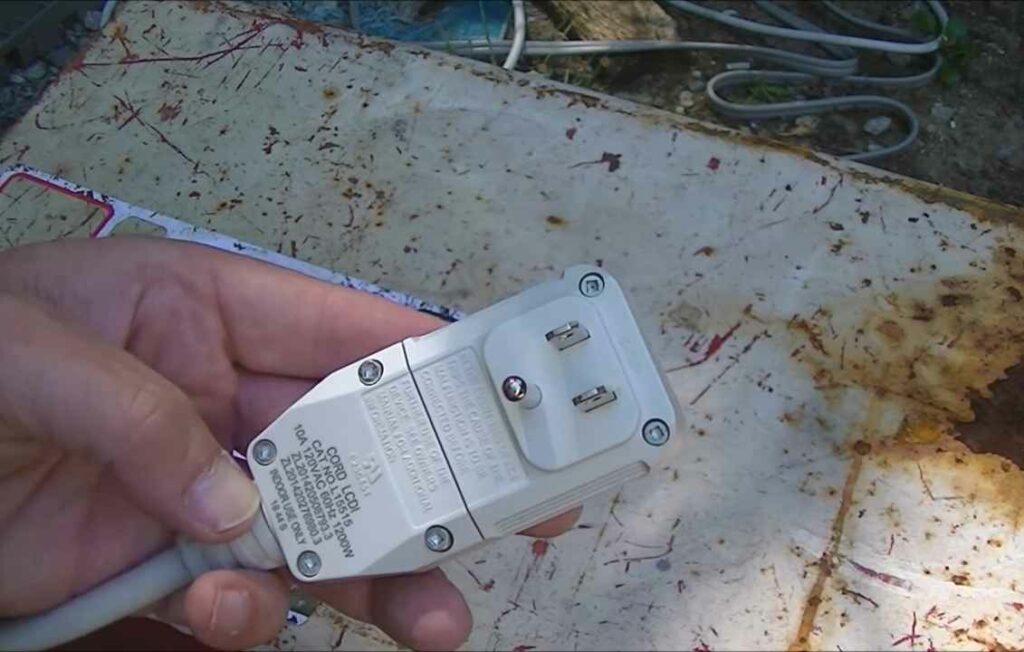
It could be because the unit is overheating, there is a short circuit somewhere in the unit, or the reset button itself is faulty.
If the unit is overheating, make sure that nothing is blocking the airflow to and from the unit.
When there is a short circuit, unplug the unit and check all of the wiring for any damage or loose connections.
If the reset button itself is faulty, you will need to replace it with a new one.
What is the Air Conditioner Reset Button?
An air conditioner reset button is a button that, when pressed, will reset the air conditioner back to its default settings.
This can be useful if the air conditioner has been accidentally turned off or if it needs to be reset for any other reason.
The reset button is usually located on the control panel of the air conditioner.
Why Does the Reset Button Keep Popping on My Air Conditioner?
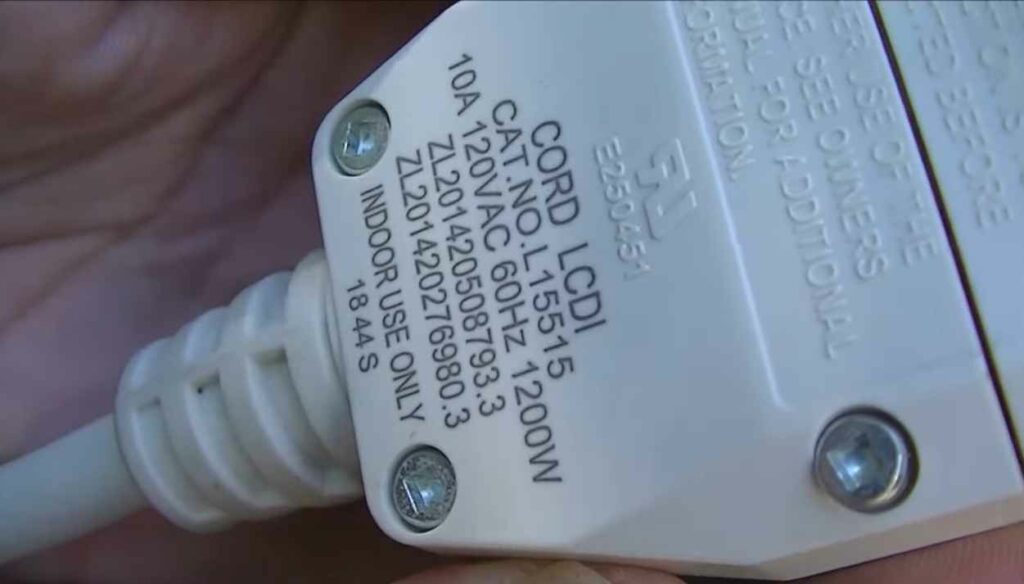
If your air conditioner’s reset button keeps popping, there are a few possible reasons why.
The most common reason is that the air conditioner’s compressor is overheating.
When the compressor overheats, it trips a switch that turns off the power to the compressor.
This prevents damage to the compressor from happening.
The reset button is designed to reset this switch so the air conditioner can continue running.
Another possible reason why your air conditioner’s reset button keeps popping is because there is a problem with the air conditioner’s electrical system.
A loose wire or a blown fuse could cause this. If you think this might be the case, you should call an electrician to come and take a look at your air conditioner.
How Can I Fix the Problem of the Reset Button Keep Popping on My Air Conditioner?
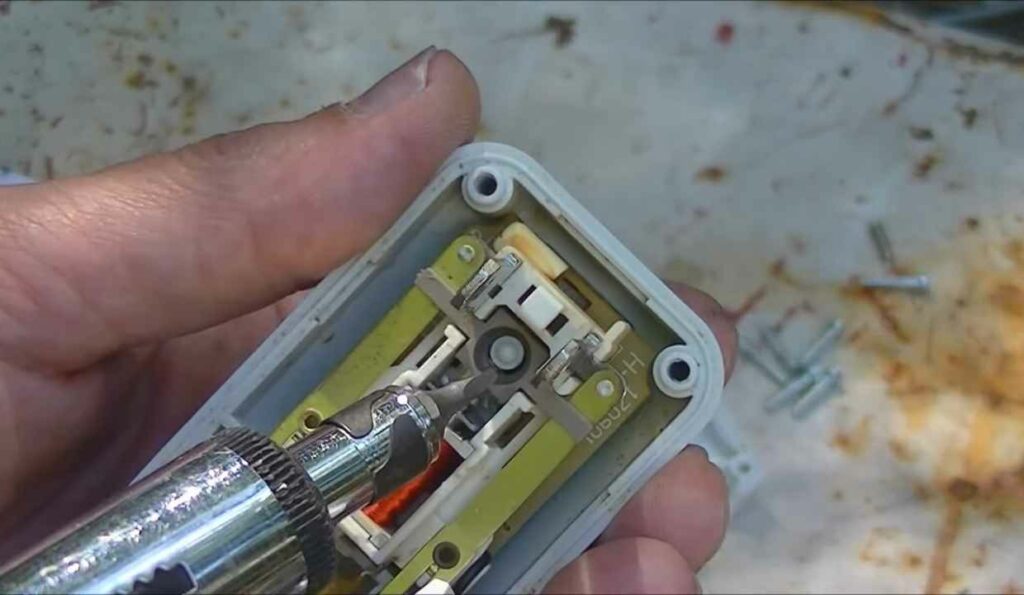
If your AC’s reset button keeps popping, a few potential causes exist. The most common is a clogged air filter.
A clogged filter restricts airflow and can cause the unit to overheat, trip the reset button, and shut off.
Another possible cause is a faulty thermostat.
If the thermostat isn’t reading the temperature correctly, it may cause the unit to cycle on and off more frequently than normal, leading to overheating and tripping the reset button.
Finally, if your AC unit is too small for the space it’s cooling, it will have to work harder than normal to cool the room, which can also cause overheating and trips to the reset button.
If you’re not sure what’s causing your AC unit’s reset button to keep popping, call a technician for diagnosis and repair.
Ge window air conditioner loud hum reset button on plug keeps tripping
Why does my air conditioner Keep clicking on and off?
If your air conditioner keeps clicking on and off, it’s likely due to a problem with the thermostat, the compressor, or the fan.
Thermostat problems are often caused by dirt and debris buildup, preventing the sensor from accurately reading the temperature.
Compressor issues may be due to a loss of refrigerant or an electrical problem. A damaged motor or loose blades can cause fan problems.
Conclusion
The reset button on your air conditioner keeps popping because the system is overloaded.
This usually happens when the unit is first turned on for the season, or after it has been running for a while and needs to be reset.
There are a few things you can do to fix this problem:
-Check the air filter and clean or replace it if it’s dirty.
-Make sure all the vents in your home are open and unobstructed.
-Turn off any fans or other devices drawing power from the air conditioner.

Cleaned out air conditioner coils and unit on a Frigidaire window unit and now reset button trips on contact used soap and water won’t turn on
Hey, David.
it’s possible that water may have gotten into the electrical components of the unit, causing a short circuit and tripping the reset button. In this case, you should try to dry out the unit completely before attempting to turn it back on. You can do this by leaving the unit unplugged and open for a few hours to allow it to dry thoroughly.
If the unit still won’t turn on after it has been dried out, there may be a more serious electrical issue that requires the attention of a professional technician. In this case, it’s best to contact a qualified repair technician to diagnose and fix the problem.