If your car’s air conditioner isn’t blowing cold air, the problem may be the AC compressor. The compressor is the heart of the AC system, and it pumps refrigerant to cool the air. If the compressor isn’t working, the AC system can’t function.
So where is your AC compressor, and how do you know if it’s not working?
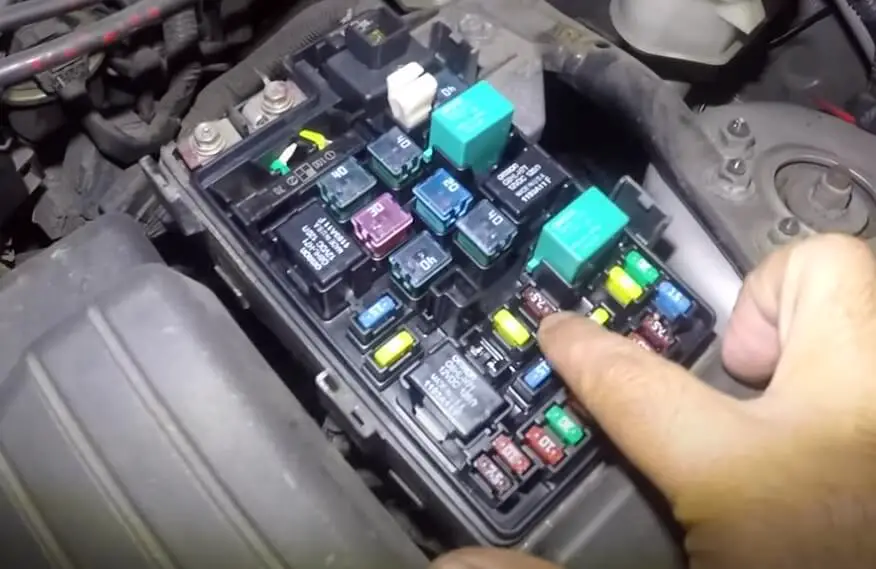
If your AC compressor is not working, the first thing you should check is the circuit breaker or fuse. When you see the breaker has tripped or the fuse has blown, reset the breaker or replace the fuse. If the AC compressor still does not work, check to see if there is power at the compressor.
No powering problem happens because of the AC compressor itself, the AC condenser, or the AC compressor clutch. If there is power, the problem may be with the AC compressor clutch, the AC compressor, or the AC condenser.
Where is the car AC compressor located?
On most cars, the AC compressor is located near the front of the engine, generally on the passenger side. It is a large, cylindrical component that is driven by a belt connected to the engine crankshaft. The compressor is the heart of the car’s AC system, and its job is to pump refrigerant through the system.
How do I check my AC compressor?
Assuming you have a central AC unit, there are a few things you can do to check your AC compressor.
First, check the outdoor unit to see if the fan is running. If the fan is not running, it could be a sign that the compressor is not working.
Next, check the air filter. A dirty air filter can cause the compressor to overheat and shut down. If the air filter is clean, then check the thermostat to see if it is set to the “cool” setting.
Finally, check the circuit breaker to see if it has been tripped. If the breaker has been tripped, reset it and see if the compressor starts up. If the compressor still does not start, you may need to call a professional for further diagnosis.
How do I know if my AC compressor is bad?
First, check the compressor itself for any damage. If the compressor is damaged, it will need to be replaced. If the compressor is not damaged, check the AC system for any leaks.
Finally, check the AC system for any refrigerant leaks. If there are leaks, they will need to be repaired before the compressor can be replaced.
How do I check my car AC compressor?
If your car’s air conditioner isn’t working properly, one of the first things you should check is the compressor. The compressor is responsible for circulating refrigerant through the air conditioning system. If the compressor is not working, the air conditioner will not be able to cool your car.
There are a few ways to tell if your car’s compressor is not working properly. One way is to listen for a noise when you turn on the air conditioner. If you hear a loud noise, it could be an indication that the compressor is not working properly.
Another way to tell is if the air conditioner is not blowing cold air. If the compressor is not working, the air conditioner will not be able to cool the air. If you think your car’s compressor is not working properly, the best thing to do is to take it to a mechanic and have it checked out.
The mechanic can diagnose the problem and make the necessary repairs.
How to check if AC compressor is bad
Where is the ac compressor in a car?
If your car has an air conditioner, then it also has an AC compressor. This compressor is responsible for pressurizing the refrigerant in the AC system so that it can circulate properly. The AC compressor is usually located near the front of the engine, and it is typically a fairly large, cylindrical component.
If you need to replace your AC compressor, then you will need to take your car to a professional mechanic.
Home ac compressor not turning on
If your home air conditioner compressor isn’t turning on, there are a few things you can check before calling a technician. First, make sure that the thermostat is set to “cool” and that the temperature is lower than the current room temperature. Next, check the power supply to the compressor unit to make sure it’s turned on.
If the unit is still not turning on, it may be due to a tripped circuit breaker or blown fuse. If you’re not comfortable troubleshooting the issue yourself, contact a qualified HVAC technician for assistance.
Central ac compressor
Central air conditioner compressors are one of the most important parts of your AC system. They are responsible for circulating refrigerant throughout your AC system and helps to remove heat and moisture from the air in your home. If your central air conditioner compressor is not working properly, it can cause your AC system to not work properly and can be very costly to repair.
Replacing home ac compressor
If your home air conditioner isn’t cooling your home like it used to, one possible reason is that the compressor needs to be replaced. The compressor is the heart of the air conditioner, and if it’s not working properly, the whole system can suffer. In this blog post, we’ll go over everything you need to know about replacing a home air conditioner compressor, including when it’s time to replace it, how to replace it, and what to expect in terms of cost.
When to Replace the Compressor The first question you might have is: how do I know if my compressor needs to be replaced? There are a few signs that it might be time for a replacement, including:
-Your air conditioner is more than 10 years old. The average lifespan of an air conditioner is 10-15 years, so if yours is on the older side, it might be time for a replacement.
-Your air conditioner isn’t cooling your home as well as it used to. If you’ve noticed that your air conditioner isn’t cooling your home as effectively as it used to, it might be because the compressor is starting to fail.
-You’re hearing strange noises. If you’re hearing strange noises coming from your air conditioner, it could be a sign that the compressor is starting to fail.
Split ac compressor
A split air conditioner (AC) compressor is a device that helps to cool and circulate air in a room or building. The compressor is the part of the AC unit that pressurizes the refrigerant and circulates it through the AC system. A split AC compressor is a type of compressor that is split into two parts: the condenser and the evaporator.
The condenser is the part of the AC unit that releases the heat that has been gathered from the indoors, while the evaporator is the part of the AC unit that absorbs the heat from the outdoors. The main advantage of a split AC compressor is that it is more efficient than a traditional AC compressor. The split AC compressor can cool a room or building more quickly and evenly than a traditional AC compressor.
The split AC compressor is also more energy efficient than a traditional AC compressor, which means that it will save you money on your energy bills. If you are looking for a more efficient and energy-saving AC unit, then you should consider a split AC compressor.
Ac compressor working principle
An air compressor is a device that converts power (usually from an electric motor, a diesel engine or a gasoline engine) into potential energy stored in pressurized air (i.e., compressed air). By one of several methods, an air compressor forces more and more air into a storage tank, increasing the pressure. When the pressure in the tank reaches its engineered upper limit, the air compressor shuts off.
The compressed air, then, is held in the tank until called into use. The energy in the form of compressed air can be stored indefinitely in a pressure tank or it can be used immediately by powering a nail gun or other air tools. Air compressors are widely used as tools in both industrial and household applications.
In order for an air compressor to do its job, several principles must be at work. Let’s take a look at how a typical air compressor works. The first thing to know is that there are two types of air compressors: Positive displacement and negative displacement.
Positive displacement air compressors work by trapping a certain volume of air in a chamber and then reducing the volume of that chamber. This increase in pressure forces the air into the storage tank. The most common type of positive displacement air compressor is the piston type.
In a piston air compressor, the chamber is a cylinder and the piston is attached to a crankshaft.
Can I replace my home ac compressor myself?
If your home air conditioner compressor has failed, you may be wondering if you can replace it yourself. The answer is maybe. Replacing a home air conditioner compressor is a big job and if you have never done it before, it is probably best to leave it to the professionals.
However, if you are a handy person and are up for a challenge, you can replace your compressor yourself with a little help from some friends or family members. Here are the basic steps to replacing your home air conditioner compressor:
1. Turn off the power to your air conditioner. This is a very important step! If you don’t turn off the power, you could seriously injure yourself or someone else.
2. Remove the old compressor. This will require some disassembly of your air conditioner. You will need to remove the bolts that hold the compressor in place and then disconnect the electrical wires. Once the old compressor is out, you can begin installing the new one.
3. Install the new compressor. This is where having some help will come in handy. You will need to hold the new compressor in place while someone else bolts it down. Once the compressor is in place, you can reconnect the electrical wires.
4. Reassemble the air conditioner. This includes putting the cover back on and turning on the power.
Conclusion
If your car’s air conditioner isn’t working, one of the first things you should check is the compressor. The compressor is the heart of the A/C system, and it needs to be working properly for the system to function. If the compressor isn’t working, it could be because it’s low on refrigerant, the drive belt is broken, or there could be an electrical problem.
