There are a few reasons your car’s air conditioner (A/C) may blow warm air when you’re driving and cold air when you’re parked.
The most common reason is that your A/C is low on refrigerant.
When your A/C is low, it can’t cool your car as efficiently, causing the air to be warmer than usual.
Another possibility is that your A/C compressor is not working properly.
If your compressor is not working, it won’t be able to circulate the refrigerant properly, again causing the air to be warmer than it should be.
If your car’s air conditioner is blowing warm air, there could be several reasons why.
One possibility is that the air conditioner is low on refrigerant.
When this happens, the air conditioner is not able to cool the air effectively, so it may blow warm air.
Another possibility is that there could be an issue with the air conditioner’s compressor.
If the compressor is not working properly, it may not be able to cool the air effectively.
If you’re not sure what the problem is, it’s best to take your car to a mechanic to have it checked out.
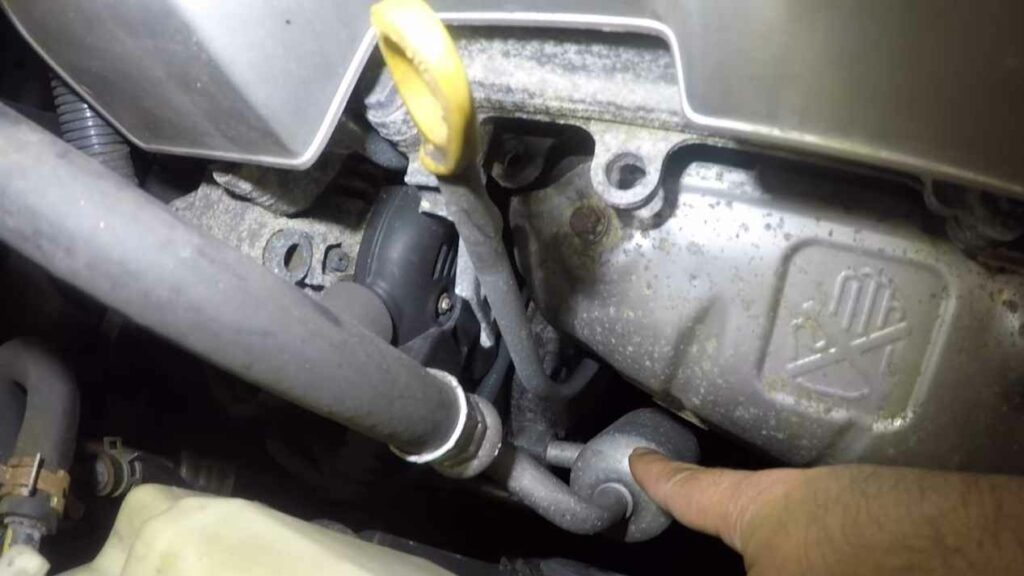
Why does my AC stop blowing cold air when I accelerate?
If your AC stops blowing cold air when you accelerate, there are a few potential causes.
One possibility is that the compressor clutch is not engaging properly. Another possibility is that the refrigerant level is low.
Finally, it could be that the AC condenser is not getting enough airflow.
If the compressor clutch is not engaging properly, it could be due to a problem with the clutch itself or with the AC compressor.
If the clutch is not engaging properly, the compressor will not be able to pump the refrigerant properly, and the AC will not blow cold air.
Refrigerant level is low? It could be because of a leak in the AC system.
A leak can occur in the evaporator, condenser, or one of the hoses. At this point, AC will not be able to cool the air properly.
When an AC condenser is not getting enough airflow, it could be because it is dirty or blocked.
If the condenser is dirty, it cannot dissipate heat properly. The air will not be able to flow through it, and the heat will not be dissipated if the condenser is blocked.
Why does my AC get warm while driving?
If your car’s air conditioner is blowing warm air, there are a number of potential causes.
The most common is simply that the system is low on refrigerant. This is easy to check – if your AC is low, simply add more refrigerant.
Another potential cause is a problem with the compressor.
If the compressor is not working properly, it will not be able to effectively cool the air.
This is a more serious concern that will require professional repairs.
Finally, another potential cause of warm air from your AC is a clogged cabin air filter.
This filter protects the AC system from dirt and debris, and if it becomes clogged, it can restrict air flow and cause the system to blow warm air.
Replacing the cabin air filter is a relatively easy and inexpensive fix.
Why does my car AC get hot when idling?
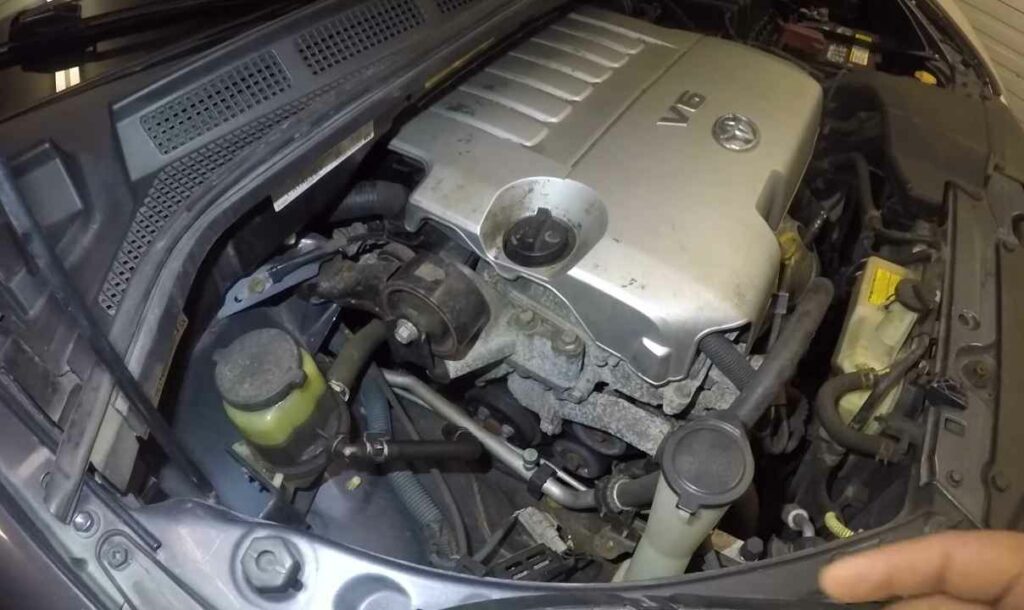
If your car’s air conditioner is blowing hot air when the car is idling, there are a few potential reasons why.
The most common reason is that the air conditioner is low on refrigerant.
When this happens, the air conditioner can’t cool the air properly, and the air that is blown into the car will be warmer than usual.
Another potential reason why your car’s air conditioner might be blowing hot air is that the air conditioner compressor is not working properly.
When the compressor is not working, the air conditioner will not be able to cool the air properly.
Also, if your car’s air conditioner is blowing hot air, the first thing you should do is check the level of refrigerant.
If you see, it is low. You will need to add more refrigerant to the system.
If the compressor is not working, you will need to have it repaired or replaced.
Why does my car AC slow down when I accelerate?
If your car’s air conditioning slows down when you accelerate, it’s likely due to a problem with the compressor.
The compressor is the part of the air conditioning system that pumps refrigerant through the system.
When it’s not working properly, the system can’t cool the air properly.
There are a few reasons why the compressor might not be working properly.
One possibility is that the compressor isn’t getting enough power.
A difficulty with the electrical system or a blown fuse can cause this.
Another possibility is that the compressor itself is faulty.
This is usually a job for a mechanic to fix. If your car’s air conditioning is slowing down when you accelerate, it’s best to take it to a mechanic to have it checked out.
They can diagnose the problem and get your car’s AC system back up and running properly.
Ford A/C Quick Tips #4: Poor A/C Performance Upon Acceleration
Why does my car AC only get cold when I accelerating?
If your car’s air conditioner only blows cold air when you’re accelerating, there are a few possible explanations.
One possibility is that the air conditioner only blows cold air when the car’s engine is running at a higher RPM.
This is because the air conditioner compressor is driven by the engine, and it needs a certain amount of power to run properly.
Another possibility is that there is a problem with the air conditioner compressor itself.
If the compressor is not getting enough power, it will not be able to compress the refrigerant properly, and the air conditioner will not blow cold air.
Finally, there may be an issue with the air conditioner’s evaporator.
If the evaporator is not getting cold enough, the air conditioner will not blow cold air.
If you’re not sure what the problem is, it’s best to take your car to a mechanic for a diagnosis.
Air gets hot when not accelerating
If you’ve ever taken a long car ride on a hot day, you know that the air inside the car can get quite hot.
But why does this happen? Basically, it has to do with the fact that air is a poor conductor of heat.
When the car is sitting still, the air inside is heated by the sun and the hot surfaces of the car.
But when the car is moving, the air is constantly moving too, so it can’t build up the same amount of heat.
So next time you’re stuck in traffic on a hot day, just remember that it’s not the car that’s making the air hot, it’s the physics!
Car AC blowing hot air all of a sudden
If your car’s air conditioner is blowing hot air all of a sudden, there could be several potential causes.
One possibility is that the air conditioner’s compressor is not working properly.
Another possibility is that there is a problem with the air conditioner’s evaporator.
If the evaporator is not working properly, it can cause the air conditioner to blow hot air.
If your car’s air conditioner is blowing hot air, it is important to have it checked out by a mechanic as soon as possible.
It could cause further damage to your car’s air conditioner if the problem is not fixed.
Car air conditioner blows cold then warm
If your car air conditioner is blowing cold then warm, there are a few potential causes.
First, it could be that the air conditioner is low on refrigerant. This is a common issue and can be easily fixed by topping off the refrigerant levels.
Second, the problem could be with the air conditioner compressor. If the compressor is not working properly, it will not be able to cool the air properly.
This is a more serious issue that will likely require professional repair.
Finally, there could be an issue with the air conditioner itself.
If the air conditioner is not working properly, it will not be able to cool the air properly.
This is a more serious issue that will likely require professional repair.
Car ac not working at high speed
If your car’s air conditioner isn’t working at high speed, there are a few potential causes. The most likely cause is a clogged air filter.
A clogged air filter can restrict air flow, making it difficult for the air conditioner to cool the cabin.
Other potential causes include a faulty blower motor, low refrigerant levels, or a problem with the air conditioner’s compressor.
If you’re not sure what’s causing the problem, it’s best to take your car to a qualified mechanic for diagnosis and repair.
Ac compressor cuts out when accelerating
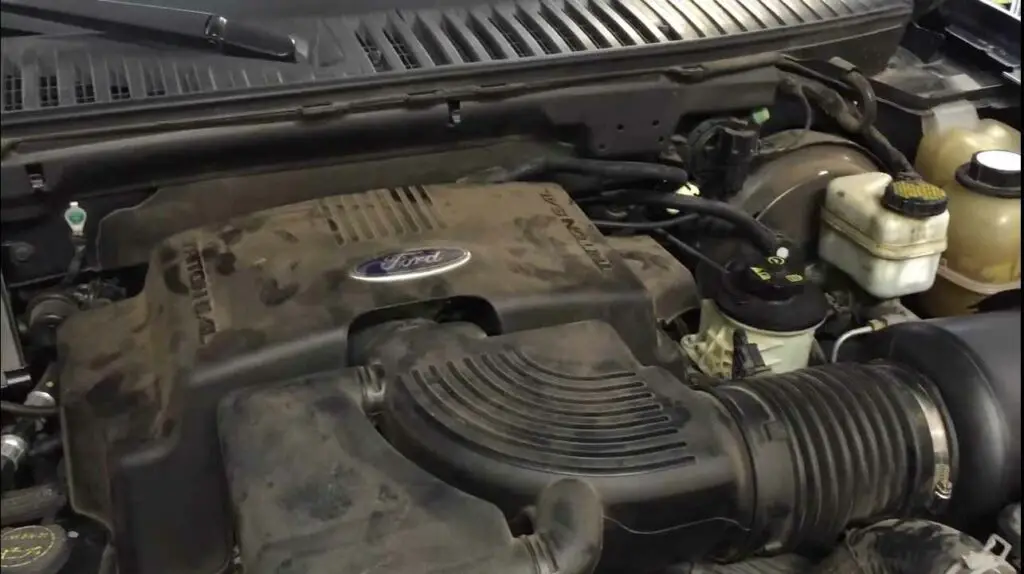
If your car’s air conditioning compressor cuts out when you accelerate, it could be a sign of a problem with the compressor itself.
It could also be a sign of concern with the air conditioning system’s belts or pulleys.
If the compressor cuts out when you accelerate, it’s important to have it checked out by a mechanic so that the problem can be diagnosed and repaired.
Car ac blows cold air when idle and warm air when moving
If you’ve ever been driving along and noticed that your car’s air conditioner (A/C) blows cold air when you’re idling, but warm air when you’re moving, you’re probably wondering why.
After all, shouldn’t the A/C blow cold air all the time?
Here’s the deal: when your car is idling, the engine is running, but the car isn’t moving.
This means that the engine isn’t generating enough power to run the A/C compressor.
The compressor circulates the refrigerant in the A/C system and helps cool the air.
So, when you’re idling, the A/C can’t circulate the refrigerant and the air that does blow out of the vents is only slightly cooled.
However, as soon as you start moving, the engine generates more power and the compressor can start circulating the refrigerant.
This allows the A/C to cool the air more effectively, and you’ll feel a difference right away.
If your car’s A/C isn’t blowing cold air at all, even when you’re moving, there could be a problem with the A/C system.
It’s best to have it checked out by a professional to ensure everything is in working order.
Home air conditioner starts cold then gets warm
If you’ve noticed that your home air conditioner starts off cold but then quickly gets warm, there are a few possible explanations.
First, it’s important to make sure that your thermostat is set to “cool” mode and not “heat” mode.
If it’s in heat mode, your AC unit will indeed start off cold, but then switch to heat mode once it reaches the set temperature.
Another possibility is that your air conditioner’s compressor isn’t working properly.
The compressor is responsible for circulating refrigerant throughout the AC unit, and if it’s not working properly, the AC unit won’t be able to cool your home properly.
Finally, your air conditioner may be simply too small for your home.
If your AC unit is too small, it will have to work overtime to try to cool your home, and as a result, it will likely get warm before it’s able to reach the desired temperature.
If you’ve noticed that your home air conditioner is starting to get warm, it’s important to troubleshoot the problem so that you can get it fixed.
Otherwise, you’ll likely just end up with an AC unit that doesn’t work properly and will cost you more money in the long run.
Conclusion
If your car’s air conditioner starts blowing warm air when you accelerate, there are a few potential causes.
The most likely cause is a problem with the compressor, which is the part of the AC system that pressurizes the refrigerant.
If the compressor isn’t working properly, it can’t do its job, and the AC will blow warm air.
Another possibility is that the AC system is low on refrigerant.
This can happen if there’s a leak in the system, and it can also happen if the system wasn’t properly charged with refrigerant when it was installed.
Either way, if the system is low on refrigerant, it won’t be able to cool the air properly.
If your car’s AC is blowing warm air, the most likely cause is a concern with the compressor.
However, it’s also possible that the system is low on refrigerant.
