If your Fujitsu air conditioner not blowing cold air, there could be a few different reasons why. First, check to make sure that the unit is turned on and that the thermostat is set to a temperature lower than the current room temperature. If the unit is on and the thermostat is set correctly, then the next thing to check is the air filter.
A dirty air filter can restrict air flow, causing the unit to work harder and not blow as cold. Clean or replace the air filter and see if that doesn’t get your unit back to blowing cold air.
In this blog post, we will discover the reasons why your Fujitsu air conditioner is not blowing cold air and what repair maintenance should you take care of to avoid such situations. So, stay tuned.
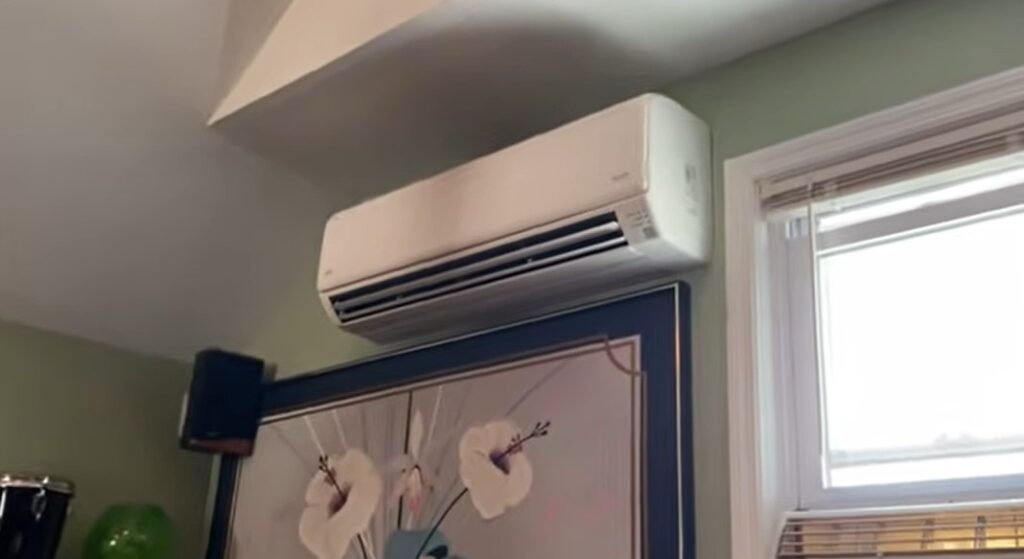
The Top Reasons Fujitsu Air Conditioner Not Blowing Cold Air
Here are some of the top reasons why a Fujitsu air conditioner might not be blowing cold air:
Dirty Air Filter: A clogged or dirty air filter can restrict airflow and hinder the cooling process. Make sure to clean or replace the air filter regularly to maintain proper airflow and cooling efficiency.
Thermostat Settings: Check if the thermostat is set to the correct cooling mode and the desired temperature. Incorrect settings can prevent the air conditioner from cooling effectively.
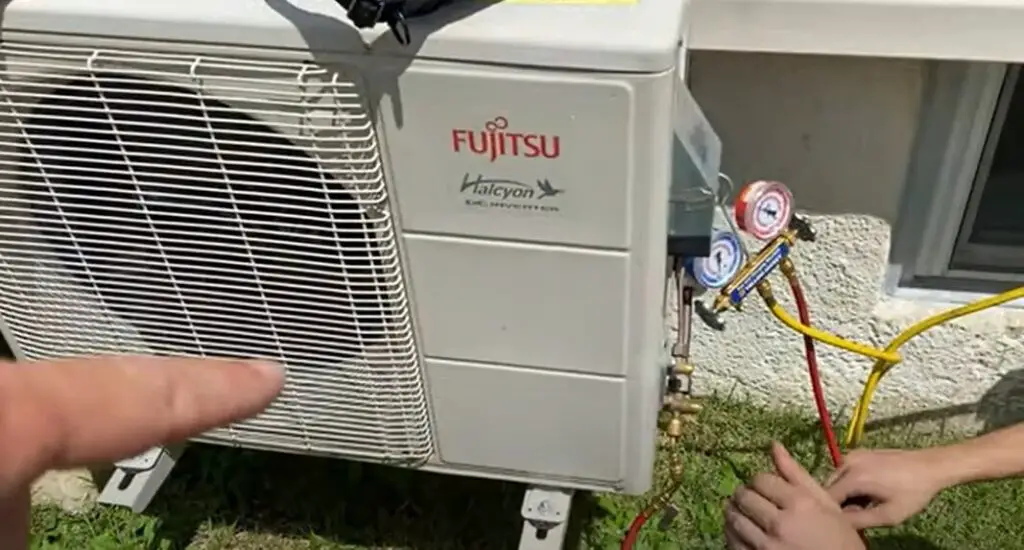
Blocked Condenser Unit: The outdoor condenser unit should have enough space around it for proper airflow. If it’s blocked by debris, plants, or any obstacles, it can’t expel heat efficiently, resulting in reduced cooling performance.
Refrigerant Issues: Low refrigerant levels due to leaks or improper installation can lead to insufficient cooling. A certified technician should be consulted to diagnose and fix refrigerant-related issues.
Faulty Compressor: The compressor is the heart of the air conditioning system. If it’s malfunctioning, the cooling process won’t occur effectively. Strange noises or warm air blowing are signs of a potential compressor problem.
Electrical Problems: Faulty wiring, tripped circuit breakers, or issues with the capacitor can prevent the air conditioner from functioning properly. Ensure the electrical connections are in good condition.
Frozen Evaporator Coil: If the evaporator coil inside the indoor unit freezes, it can block the airflow and reduce cooling performance. This could be caused by airflow restrictions, low refrigerant levels, or other issues.
Dirty Coils: Both the evaporator and condenser coils need to be clean for efficient heat exchange. Dirty coils can impede the cooling process. Regular maintenance by cleaning the coils can help prevent this.
Air Duct Problems: Damaged or leaky air ducts can lead to cooled air escaping before it reaches the desired areas, resulting in inefficient cooling.
Fan Problems: Malfunctioning fans in either the indoor or outdoor unit can impact airflow and cooling performance. Check if the fans are operating as they should.
Sensor Issues: The air conditioner has sensors that help regulate temperature and control cooling. If these sensors are faulty or misaligned, they can cause the system to behave improperly.
Improper Sizing: If the air conditioner is too small for the space it’s cooling, it will struggle to maintain the desired temperature. Conversely, an oversized unit may cycle on and off frequently, leading to inefficient cooling.
If your Fujitsu air conditioner is not blowing cold air, it’s recommended to first check the simple issues like thermostat settings, air filter, and debris around the condenser.
If the problem persists, it’s best to contact a professional HVAC technician to diagnose and fix the issue to ensure proper and efficient cooling.
Air conditioner not blowing cold air but running
If your air conditioner isn’t blowing cold air, there are a few potential causes. First, check to make sure that the unit is properly charged with refrigerant. If it’s low, the unit won’t be able to produce cold air.
Second, check the air filter and make sure it’s clean. A dirty filter can restrict airflow and prevent the unit from operating properly. Finally, check the condenser coils and make sure they’re clean.
If they’re dirty, they won’t be able to transfer heat properly, and the unit won’t work properly.
Window air conditioner not blowing cold air but running
If your window air conditioner isn’t blowing cold air, there are a few potential causes. First, check to make sure that the unit is properly plugged in and that the circuit breaker hasn’t been tripped. Next, check the air filter and clean or replace it if it’s dirty.
Finally, check the evaporator coils and make sure they’re not frozen. If they are, turn off the unit and let the coils thaw. Once they’re thawed, the unit should start blowing cold air.
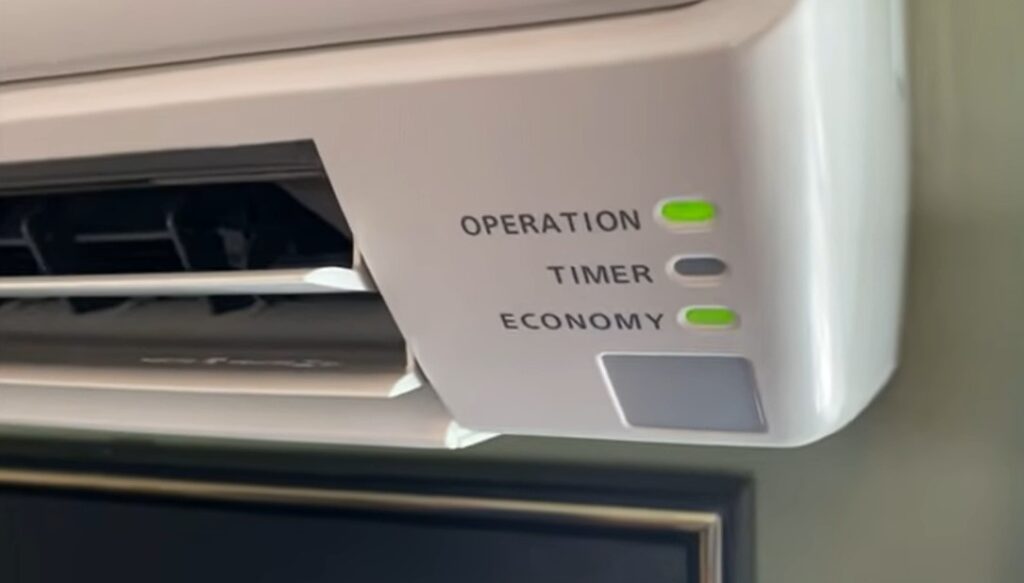
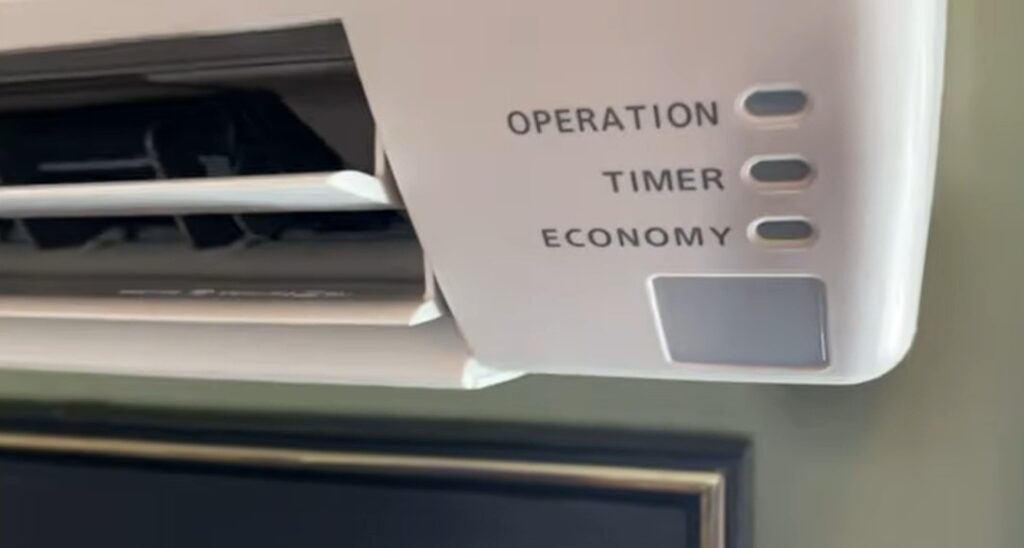
Why is my Fujitsu air conditioner light blinking?
If your Fujitsu air conditioner light is blinking, it could be due to a number of reasons. It could be a sign that the unit is overworked and needs to be cleaned, or it could be a sign of a more serious problem. In either case, it’s important to troubleshoot the issue to determine the cause and take appropriate action.
One possible reason for a blinking light is that the air conditioner is overworked. If the unit is constantly running, it can cause the light to blink. This is usually due to a dirty air filter or a build-up of dust and debris on the coils.
To fix this, simply clean the unit according to the manufacturer’s instructions. Another possible reason for a blinking light is a more serious problem, such as a faulty compressor. If the compressor is not working properly, it can cause the light to blink.
This is a serious issue that requires a trained technician to fix. If you suspect this is the problem, contact a qualified technician for service. In most cases, a blinking light on your Fujitsu air conditioner is nothing to worry about.
However, if the problem persists, it’s important to contact a qualified technician for service.
Fujitsu halcyon not blowing hot air
If your Fujitsu Halcyon is not blowing hot air, there are a few potential causes. First, check to make sure that the unit is turned on and set to the correct temperature setting. If the unit is on but not blowing hot air, it may be low on refrigerant.
To check, locate the outdoor unit and look for the low pressure service valve. If the valve is open, the unit likely needs to be recharged with refrigerant. Another potential cause is a dirty air filter.
A dirty air filter can restrict air flow and prevent the unit from blowing hot air. To check the air filter, remove it from the unit and hold it up to a light. If you can see light through the filter, it is clean.
If the filter is dark or clogged, it needs to be replaced. Finally, check the blower motor to make sure it is running. If the motor is not running, the unit will not blow hot air.
To check the motor, locate the indoor unit and remove the access panel. The blower motor will be located inside. If the motor is not running, it may need to be replaced.
Fujitsu air conditioner not heating
If your Fujitsu air conditioner isn’t heating, there are a few possible causes. First, check to make sure that the unit is properly plugged in and that the circuit breaker hasn’t tripped. If those things are both in working order, then the most likely culprit is a dirty filter.
A dirty filter can restrict air flow and prevent the unit from heating properly. Clean or replace the filter and see if that solves the problem. If not, then you may need to call a professional for help.
Ac not blowing cold air reset
If your AC isn’t blowing cold air, there are a few possible explanations. The most likely culprit is that your AC needs to be reset. To do this, simply turn off your AC at the thermostat and then turn it back on.
This should reset your AC and get it blowing cold air again. If your AC still isn’t blowing cold air after you’ve reset it, there are a few other possible explanations. One possibility is that your AC is low on refrigerant.
If this is the case, you’ll need to have a professional recharge your AC. Another possibility is that there’s an issue with your AC compressor. Once again, this is something that will need to be addressed by a professional.
If your AC is blowing warm air, don’t despair. There are a few simple things you can do to get it blowing cold air again.
Split ac not cooling but fan is running
If your split AC is not cooling, but the fan is running, there are a few potential causes. One possibility is that the outdoor unit is not receiving power. Check to make sure the circuit breaker is turned on and that the outdoor unit is plugged in.
Another possibility is that the compressor is not working. This could be due to a variety of issues, including low refrigerant levels, a faulty compressor, or a problem with the AC’s electrical system. If the compressor is not working, the AC will not be able to cool your home.
Finally, another possibility is that the AC’s filters are dirty. This can restrict airflow and prevent the AC from cooling properly. Clean or replace the filters if this is the case.
Why is my Fujitsu Aircon not cold?
If your Fujitsu air conditioner isn’t providing the level of cooling you expect, there are a number of potential causes. Here are some of the most common reasons why your Fujitsu air conditioner might not be performing as well as it should be:
1. The air filter is dirty:
One of the most common reasons for poor cooling performance is a dirty air filter. If the air filter is clogged with dirt and dust, it will restrict airflow and make it harder for the air conditioner to cool the room. To fix this, simply clean or replace the air filter.
2. The evaporator coils are frozen:
Another common reason for poor cooling performance is frozen evaporator coils. When the evaporator coils get too cold, they can ice over and prevent air from passing through.
This can be caused by a variety of factors, including low refrigerant levels, dirty coils, or a problem with airflow. To fix this, you’ll need to thaw the coils and then figure out the root cause of the problem.
3. The condenser coils are dirty:
Dirty condenser coils can also cause poor cooling performance. The condenser coils are responsible for dissipating heat, so if they’re dirty, they won’t be able to do their job properly. To clean the coils, simply remove them and rinse them with water.
4. There’s a problem with the airflow:
It is important to ensure that the air filter is clean and not clogged, as this can restrict airflow and prevent the unit from cooling properly. Additionally, the refrigerant levels may be too low, causing the air conditioner to struggle to cool the air. It is also possible that there is a problem with the compressor or the condenser unit.
If you are unsure of what is causing the issue, it is recommended to contact a professional technician who can diagnose and repair the problem efficiently and effectively.
Why is my AC running but not cooling?
If your AC is running but not cooling, there are a few potential causes. One possibility is that the compressor is not working properly. Another possibility is that the AC unit is low on refrigerant.
Yet another possibility is that the AC unit is not sized properly for the space it is supposed to be cooling. If the compressor is not working properly, it will not be able to compress the refrigerant properly. This will cause the AC unit to not be able to cool the air properly.
If the AC unit is low on refrigerant, it will also not be able to cool the air properly. Refrigerant is what helps to cool the air, so if there is not enough of it, the AC unit will not be able to do its job. If the AC unit is not sized properly for the space, it will also not be able to cool the air properly.
An AC unit that is too small for the space will not be able to cool the air sufficiently. On the other hand, an AC unit that is too big for the space will cool the air too quickly, which can cause the AC unit to cycle on and off too frequently and not effectively cool the space. If your AC is running but not cooling, the best thing to do is to contact a qualified AC technician to come and take a look at it.
They will be able to diagnose the problem and recommend the best course of action to take to fix it.
How do I fix my air conditioner that is not cooling?
If your home air conditioner is not cooling, there are several possible causes. Before you call a repairman, check to see if any of these common problems might be the issue.
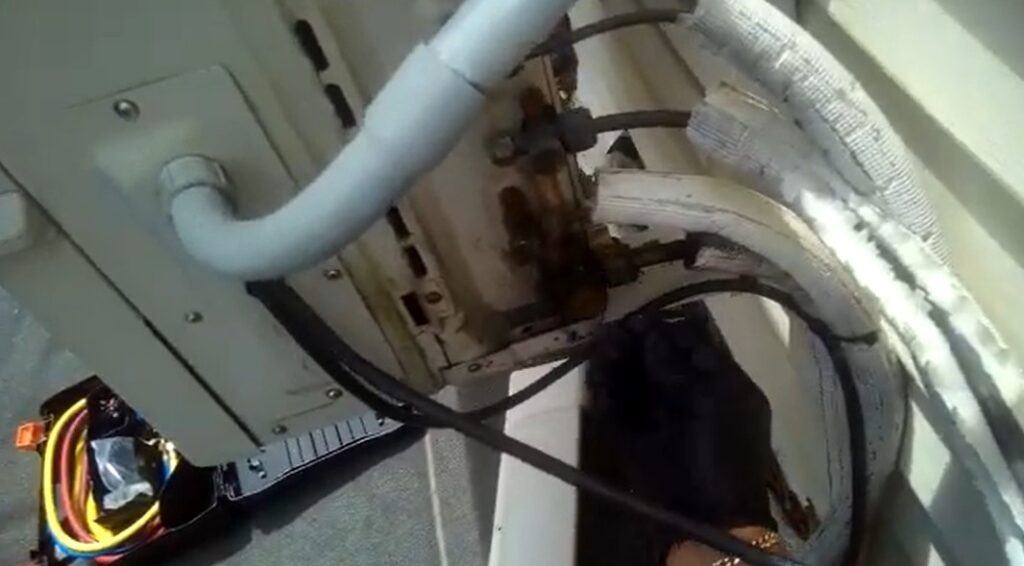
1. Check the air filter: A clogged air filter can restrict air flow, causing the air conditioner to work harder and not cool as effectively.
2. Check the outdoor unit: Make sure there is nothing blocking the airflow to the outdoor unit, such as leaves or debris.
3. Check the thermostat: If it is set too low, the air conditioner will not turn on. Also, be sure to set it to “cool” mode, not “heat” or “auto.”
4. Check for leaks: Leaks in the air ducts can cause the air conditioner to work harder and not cool as effectively. If none of these common problems seem to be the issue, then it is time to call a repairman.
How do I reset my Fujitsu air conditioner?
If your Fujitsu air conditioner isn’t working properly, you may need to reset it. Here’s how to do it:
1. Unplug the air conditioner from the power outlet.
2. Press and hold the “Reset” button on the air conditioner for about 5 seconds.
3. Plug the air conditioner back into the power outlet.
4. Turn on the air conditioner.
If you’re still having trouble with your air conditioner, you may need to contact a professional for help.
How to Fix Air Conditioner Not Blowing Cold Air | HVAC Training 101
Conclusion
If your Fujitsu air conditioner isn’t blowing cold air, there are a few things you can check to troubleshoot the problem. First, make sure that the air conditioner is properly plugged into an outlet and that the power switch is turned on. Next, check the air filter to see if it needs to be replaced.
If the air filter is clean, then check to see if the air conditioner’s coils are frozen. If the coils are frozen, you’ll need to thaw them out before the air conditioner will work properly. Finally, if the air conditioner is still not blowing cold air, you may need to call a professional to service the unit.
