If you’ve ever heard a rattling noise coming from your air conditioning unit, you’re not alone. This common issue can be caused by a variety of factors, including loose parts, dirty filters, and more. But why does my AC rattle, and what can I do about it?
If your air conditioner is making a rattling noise, there could be a few different reasons why. One possibility is that the fan blades are hitting something, which can create a rattling noise.
Another possibility is that there could be something loose inside the unit, such as a screw or a piece of metal, that is hitting something else and causing the rattling noise.
In this blog post, we’ll take a closer look at the causes of AC rattling and provide expert insight and solutions to help you get your unit running smoothly again.
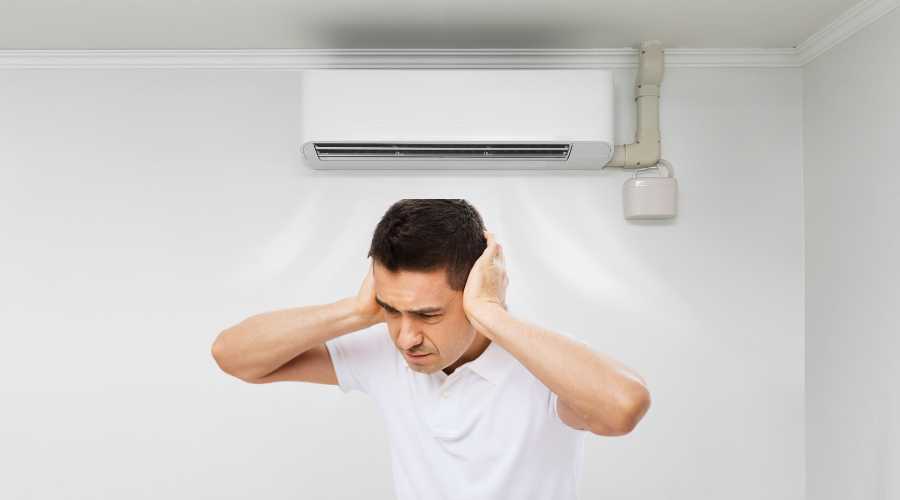
Why rattling noises from air conditioning units are concerning?
Rattling noises emanating from air conditioning units signify a malfunction and should be a cause for concern. Not only do these noises disrupt the comfort of the indoor environment, but they may also indicate a more serious issue.
If left unchecked, rattling noises could lead to a complete system failure, resulting in costly repairs or replacements. Additionally, these noises could be the result of loose components or debris in the unit, which can cause further damage to the system.
Regular maintenance and inspections are crucial to ensuring that air conditioning systems operate efficiently and effectively and addressing any unusual sounds or vibrations should be a top priority.
Why Does My AC Rattle: The Top 5 Possible Causes!
If your AC (air conditioning) unit is rattling, there could be several possible causes for this issue. Here are the potential reasons for the rattling:
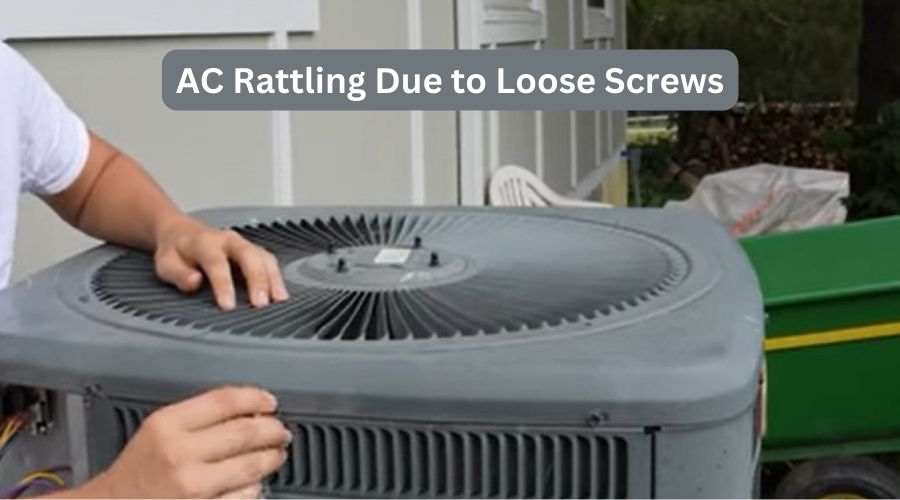
A. Loose Parts: Over time, some components in your AC unit may become loose due to regular use and vibrations. These loose parts can create a rattling noise when the AC is running.
B. Clogged Filters: When the air filters in your AC become clogged with dust and debris, it can restrict airflow and cause the unit to work harder. The increased pressure and airflow disruptions might result in rattling noises.
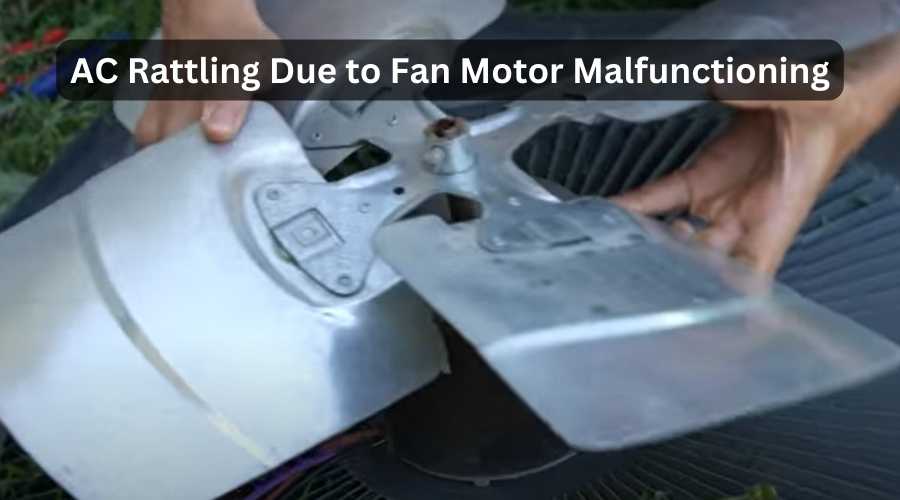
C. Fan Motor Malfunction: The fan motor is responsible for circulating air through the system. If the fan motor is faulty or damaged, it may produce unusual sounds like rattling while the AC is in operation.
D. Debris in the Unit: If there’s debris, leaves, or small objects stuck inside the AC unit, it can interfere with the fan’s movement and cause rattling noises as the fan blades hit the debris.
E. Loose Components: Various components within the AC unit, such as coils, panels, or mounting brackets, could become loose over time. The vibrations during operation can accentuate the rattling sounds if any of these components are not securely fastened.
It’s essential to address the rattling issue promptly to prevent further damage to your AC unit and ensure it operates efficiently. If you are not familiar with AC repairs, it’s best to consult a professional HVAC technician to diagnose and resolve the problem correctly.
Expert Solutions for AC Rattle
Expert solutions for AC rattling involve a combination of preventive measures and necessary repairs or replacements. Here are the expert solutions:
A. Regular Maintenance:
Regular maintenance is crucial to keeping your AC in good working condition and preventing issues like rattling. Schedule annual maintenance with a professional HVAC technician.
During maintenance, the technician will inspect and tune up the AC, tighten any loose components, and address potential problems before they escalate.
B. Cleaning and Inspecting:
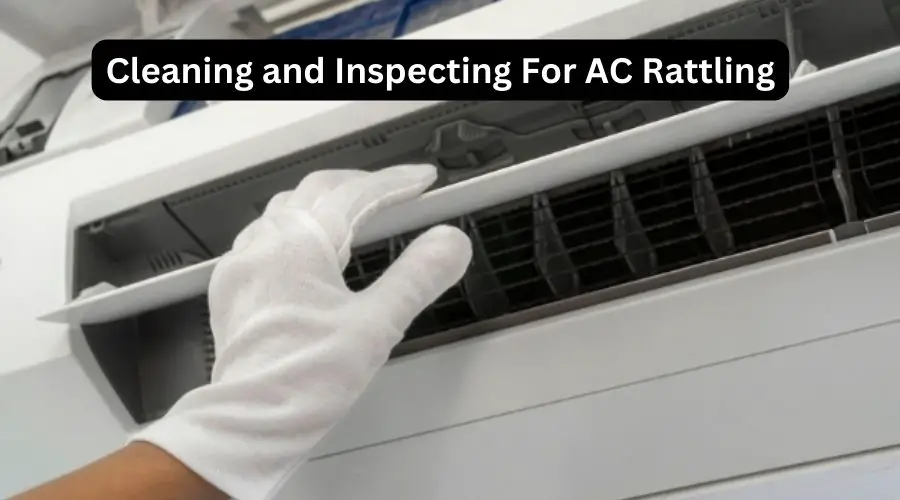
Clean the AC unit regularly, especially the filters and coils, to prevent debris buildup that can lead to rattling sounds. Additionally, inspect the unit for any loose parts or components that may need tightening or securing.
Make sure to turn off the AC and disconnect the power before attempting any cleaning or inspection.
C. Repair or Replacement:
If the rattling persists despite regular maintenance and cleaning, it’s essential to have the AC unit inspected by a qualified HVAC technician. They will diagnose the specific cause of the rattling noise and recommend the appropriate repair.
In some cases, certain components may need replacement to eliminate the issue.
If the AC is old and the cost of repairs is substantial, it might be more cost-effective to consider replacing the unit with a newer, more efficient model.
Overall, a proactive approach to AC maintenance, regular cleaning, and timely repairs when necessary can help prevent and resolve rattling issues, ensure your AC operates smoothly and efficiently, and provide cool comfort in your living space.
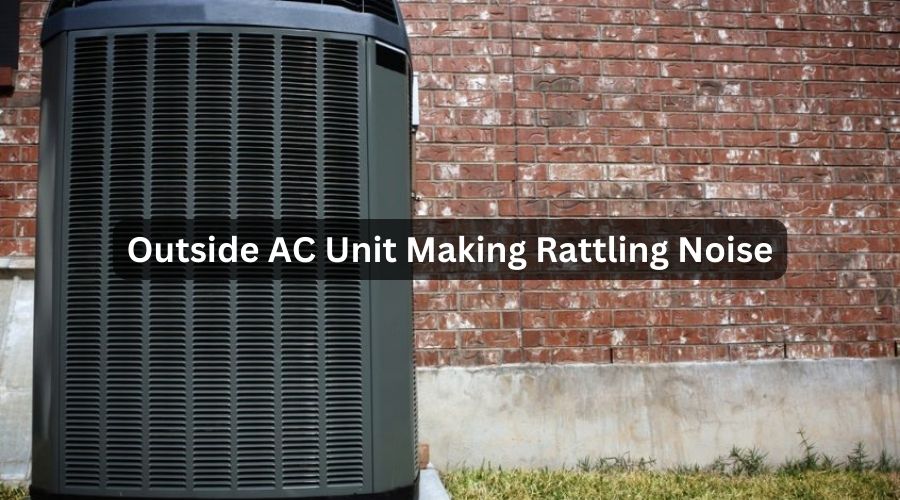
Outside AC unit making rattling noise
If your outside AC unit is making a rattling noise, there are a few possible causes. The most common cause is simply debris in the unit, such as leaves or twigs. If this is the case, simply remove the debris, and the noise should stop.
Another possible cause is loose hardware. Loose bolts or screws can cause the unit to vibrate and make noise. Tighten any loose hardware and see if that stops the noise.
If the noise is coming from the fan, it could be that the blades are unbalanced. This is a more serious issue, and you’ll need to call a professional to fix it.
The noise could also be caused by something hitting the unit, like a chunk of rock or hailstone.
If this is the case, you’ll need to have the unit inspected for damage and repaired if necessary. If your outside AC unit is making a rattling noise, don’t ignore it!
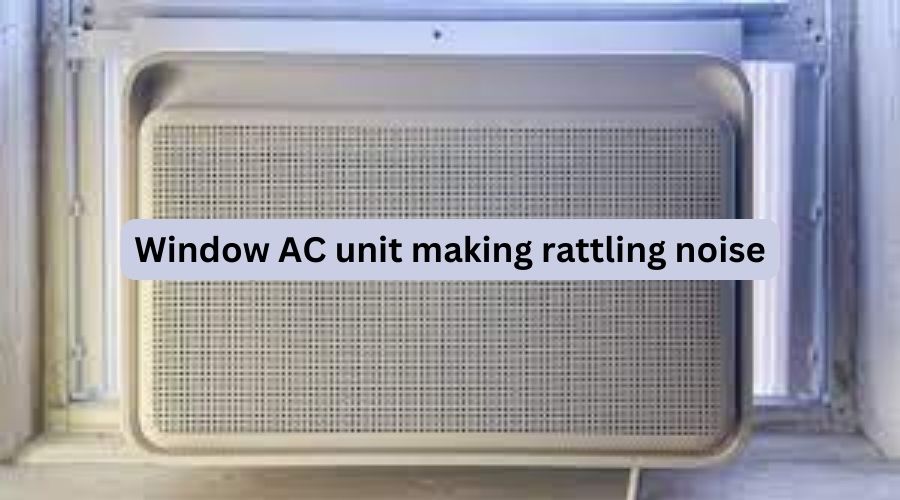
Window AC unit making rattling noise
If your window air conditioner is making a rattling noise, there are several possible causes.
The most common cause is simply that the unit is old and needs to be replaced. However, it’s also possible that the unit is vibrating due to an imbalance in the fan blades. If this is the case, you can try adjusting the blades to see if that stops the noise.
Finally, it’s possible that there is something caught in the unit, such as a piece of debris. If this is the case, you’ll need to remove the debris to stop the noise.
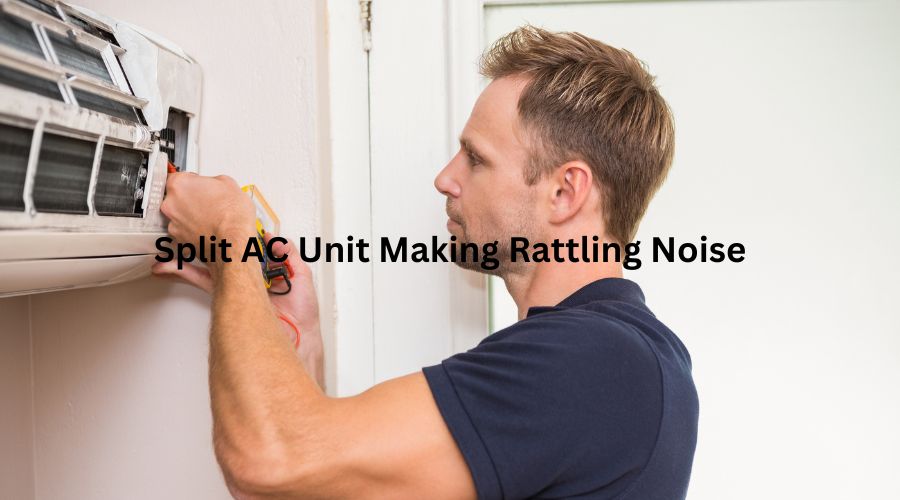
Split AC indoor unit making noise
If you have a split AC system at home, you may have noticed that the indoor unit has started making noise. This is a common problem that can be caused by a number of different things. One possible cause of the noise is that the fan blades are hitting something inside the unit.
This can happen if the unit is not level or if something has fallen into it. You can try to fix this problem by leveling the unit or by removing the object that is causing the fan blades to hit. Another possible cause of the noise is that the bearings in the fan motor are worn out.
This can cause the motor to make a grinding noise. You can try to lubricate the bearings, but if they are too worn out, you may need to replace the fan motor. If you are not sure what is causing the noise, you can contact a professional AC repair person to come and take a look at your unit.
They will be able to diagnose the problem and tell you how to fix it.
The air conditioner makes a noise when it off
If you have an air conditioner that makes noise when it’s turned off, there are a few possible explanations. It could be that the fan is still running, even though the compressor has stopped. This is normal and not cause for concern.
Another possibility is that the fan is hitting something inside the unit, such as a loose screw or piece of debris. This can cause a rattling noise. If this is the case, you’ll need to open up the unit and secure the fan so that it’s not hitting anything.
Finally, it’s possible that the compressor is still running, even though the fan has stopped. This can be a sign that the compressor is failing and needs to be replaced. If you hear this type of noise, it’s best to turn off the unit and call a technician for help.
Portable air conditioner rattling noise
If you have a portable air conditioner, you may have noticed that it makes a rattling noise when it’s turned on. This is perfectly normal and is caused by the compressor and fan inside the unit. The rattling noise is simply the sound of the compressor and fan working together to cool the air.
If the rattling noise is bothersome, there are a few things you can do to help reduce it. First, make sure that the unit is properly installed according to the manufacturer’s instructions. If the unit is not level, it can vibrate and cause more noise.
Second, try putting the unit on a firm, stable surface. A carpeted floor can absorb some of the sounds. Finally, if the noise is still bothersome, you can try using a sound-dampening mat under the unit.
This will help reduce the overall noise level.
Outside AC unit making humming noise
If your outside AC unit is making a humming noise, there are a few possible causes. The most common cause is simply that the unit is turned on and running.
However, if the humming noise is accompanied by other strange noises or the unit seems to be running less efficiently, there may be an issue with the compressor or fan.
Air conditioner noise
If your air conditioner is making strange noises, it may be time to take a closer look. Many homeowners don’t realize that their air conditioners can make a variety of noises, some of which may indicate a need for repair.
Common air conditioner noises include:
- Hissing: This noise may indicate that your air conditioner is low on refrigerant.
- Banging: Banging noises usually indicate that something is loose inside your air conditioner, such as a fan blade.
- Clanking: Clanking noises may mean that your air conditioner’s compressor is starting to fail.
If your air conditioner is making any of these noises, it’s important to have it checked out by a qualified technician. Ignoring the problem could lead to more serious and costly repairs down the road.
FAQs: Why Does My AC Rattle?
How do I stop my AC from rattling?
If your air conditioner is rattling, there are a few potential causes. The most common cause of rattling is loose hardware. Over time, screws and bolts can loosen, causing the components they hold together to rattle.
Another common cause of rattling is debris in the unit. Leaves, twigs, and other small objects can work their way into the air conditioner, causing it to rattle when it’s running. If your air conditioner is rattling, the first thing you should do is check for loose hardware.
If any screws or bolts are loose, you need to tighten them up. If that doesn’t solve the problem, the next step is to check for debris in the unit. Remove any leaves, twigs, or other objects that you find.
If the rattling persists, it’s possible that there’s something wrong with the compressor. Consult a professional for further diagnosis and repair.
Is it normal for AC to rattle?
If you’re hearing a rattling noise coming from your AC, it’s definitely not normal! This could be a sign of a loose part or a problem with your compressor.
Why is my AC clanking?
One possibility is that the fan blades are hitting something inside the unit. This is most likely due to a build-up of dirt and debris on the blades.
Another possibility is that a component inside the AC unit is loose and rattling around. This could be a wire, screw, or piece of metal.
How to fix a rattling AC unit?
If your AC unit is rattling, there are a few potential causes and a few potential solutions. One common cause of rattling is simply loose parts. Over time, screws and bolts can loosen, causing parts to rattle.
You can fix this by simply tightening any loose screws or bolts. Another potential cause of rattling is debris caught in the unit. This could be leaves, dirt, or even small animals.
If you suspect that debris is the cause of your unit’s rattling, you can try to clean it out yourself. However, if the unit is very dirty or the rattling is severe, you may need to call a professional to clean it out for you. If neither of these solutions solves your rattling problem, it’s possible that your unit is simply old and needs to be replaced.
Older units can develop cracks and other damage that can cause them to rattle. If your unit is old, and you’ve tried the above solutions without success, it’s time to start shopping for a new one.
Why Is My AC So Loud? How to Quiet a Noisy AC?
Conclusion
If your air conditioner is making a rattling noise, there are a few possible causes. The most common cause is that the unit is simply old and needs to be replaced. However, other causes could include loose parts, debris in the unit, or a problem with the compressor.
If you’re not sure what’s causing the rattling, it’s best to call a professional to take a look.
