To unfreeze my AC unit, you can follow these steps:
First, turn off the AC unit and set the thermostat to the fan mode. This will help circulate warm air and facilitate the melting of the ice. Next, check the air filter and clean or replace it if necessary, as a dirty filter can restrict airflow and contribute to freezing.
Additionally, ensure that all the vents and registers in your home are open and unobstructed to allow for proper air circulation. Then, inspect the outdoor unit and make sure it’s clear of any debris, such as leaves or dirt, that could impede airflow. If you notice ice buildup on the outdoor unit, you can carefully remove it using warm water or a hairdryer set to a low heat setting.
Finally, once the ice has melted and the unit is clear of any obstructions, you can turn the AC back on and set it to a cool temperature.

How do I thaw out my AC unit?
When the weather starts to warm up, you may be itching to get your air conditioner up and running. But before you can start using it for the season, you need to make sure it’s properly thawed out. Here’s how to do it:
- Disconnect the power. Before you do anything, make sure to disconnect the power to your AC unit. This will prevent any accidental electrocutions or damage to the unit itself.
- Drain the condensate line. The next step is to drain the condensate line. This line is responsible for draining any water that has collected in the unit. To do this, simply place a bucket under the line and open the valve.
- Remove the cover. Once the condensate line is drained, you can remove the cover of the AC unit.
This will give you access to the coils and other components inside. - Spotless the unit. Once the cover is off, take the opportunity to spotless the unit.
This includes wiping down the coils and removing any dirt or debris that have accumulated over the winter. - Let the unit air out. Once you’ve cleaned the unit, it’s a good idea to let it air out for a few hours. This will help to remove any lingering odors and make sure the unit is completely dry.
- Reconnect the power.
What causes an AC unit to freeze up?
If your AC unit is freezing up, it could be due to a number of different factors. One possibility is that the unit is not getting enough air flow. This can happen if the air filter is dirty or if the vents are blocked.
Another possibility is that the unit is low on refrigerant. This can be due to a leak in the system or simply because the unit is old and needs to be recharged. Finally, the unit could be overworked.
This can happen if the thermostat is set too low or if the unit is being used to cool a large space. If your AC unit is freezing up, it’s best to call a professional to diagnose the problem and find a solution.
How long does it take for an ac to unfreeze?
It typically takes between 24 and 48 hours to thaw a frozen air conditioner. However, the time it takes to thaw your air conditioner will depend on a few factors, such as the size and type of air conditioner, the severity of the freeze, and the ambient temperature. If you have a small air conditioner, it will thaw faster than a large air conditioner.
Additionally, if the freeze was not severe, it will thaw faster than if the freeze was more severe. Finally, if the ambient temperature is warmer, the air conditioner will thaw faster than if the ambient temperature is cooler.
How to unfreeze an air conditioner?
To unfreeze your AC unit, you’ll need to first identify the problem that is causing the ice buildup. Once you’ve done that, you can take steps to correct the issue and then thaw out the coils.
What do you do when your AC unit is frozen?
If you find that your AC unit is frozen, there are a few things you can do to fix the problem. First, you’ll want to turn off the unit and unplug it from the power source. Next, you’ll need to thaw the unit out by using a hair dryer or a space heater.
Once the unit is thawed out, you can plug it back in and turn it on. Be sure to check the unit’s instructions before doing any of this, as some units may have different requirements.
What to do when air conditioner freezes up: Air conditioner tips for summer
Will frozen ac fix itself
If your air conditioner freezes up, you may be wondering if it will fix itself. The answer is maybe. If you have a frozen air conditioner, you should turn it off and thaw it out.
Once it is thawed, you can turn it back on and see if it works. If it does not work, you may need to call a repairman.
Ac frozen how long to defrost
If your AC unit is frozen, it’s important to defrost it as soon as possible. Depending on the severity of the issue, it may take anywhere from a few hours to a day or two to fully defrost your AC. In some cases, you may need to call a professional to help you with this process.
How do I keep my air conditioner from freezing up?
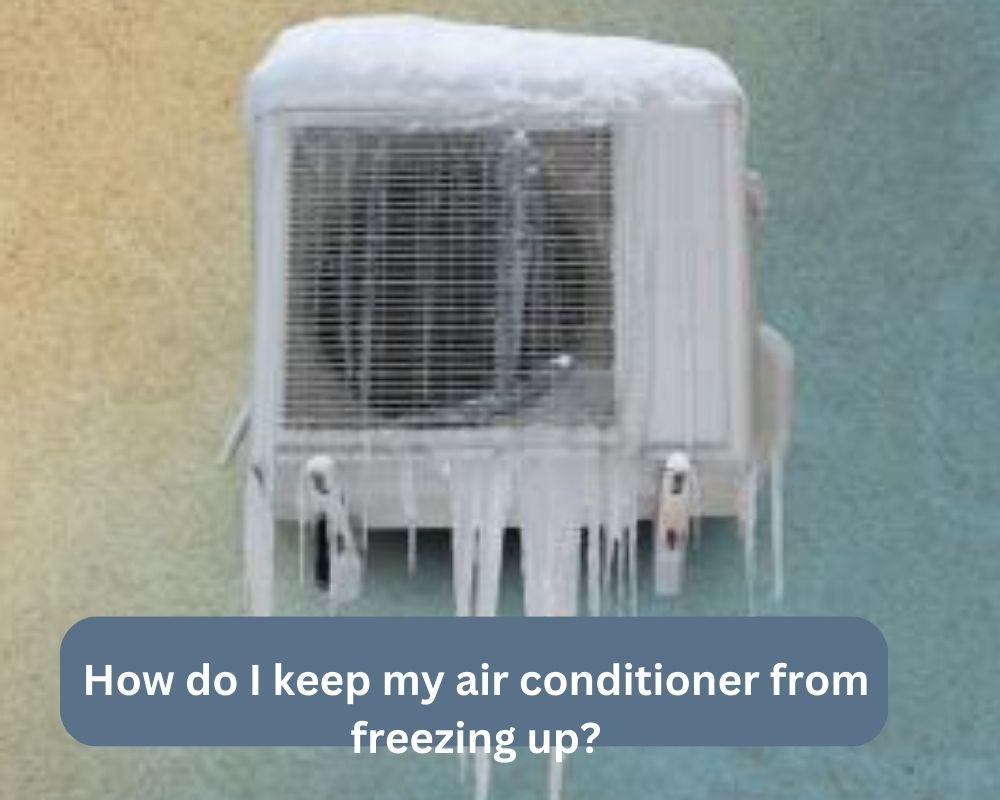
If your air conditioner is freezing up, there are a few things you can do to try to fix the problem. First, check the air filter and make sure it is clean. A dirty air filter can restrict air flow, causing the coils to freeze.
Next, check the coils to make sure they are clean and free of debris. If the coils are dirty, they won’t be able to effectively absorb heat, causing the unit to freeze up. Finally, check the refrigerant level and make sure it is topped off.
If the refrigerant is low, it can cause the unit to freeze up. If you are unsure of how to do any of these things, or if the unit is still freezing up, you should call a professional for help.
Can I turn on heat to defrost ac?
If your AC isn’t working and you think it may be frozen, you can turn on the heat to help defrost it. First, set your thermostat to the “emergency heat” setting. This will cause your AC unit to stop trying to cool your home and will only provide heat.
Next, turn on a space heater or turn up the heat on your furnace to help thaw out your AC unit. You may also want to open any doors or windows to help circulate warm air. Once your AC unit has thawed out, you can return your thermostat to the cooling setting.
How to tell if ac is frozen?
If your air conditioner is frozen, there are a few things you can do to troubleshoot the issue. First, check the air filter to see if it needs to be replaced. If the filter is clean, then check the coils to see if they are frozen.
The coils can be thawed by turning off the air conditioner and using a hair dryer on the coils for about 15 minutes. If the coils are not frozen, then the issue may be with the compressor. The compressor can be checked by a professional to see if it needs to be replaced.
Air conditioner frozen inside
If your central air conditioner is frozen inside, it’s likely because the evaporator coils are frozen. This can happen when the evaporator coils are too cold or when there is inadequate airflow over the coils. If your evaporator coils are frozen, turn off your air conditioner and thaw the coils.
Once the coils are thawed, turn your air conditioner back on and check for proper airflow. If your air conditioner is still not working properly, call a qualified technician.
How to defrost apartment ac unit?
Assuming you have a central AC unit: It’s summer, which means that it’s time to break out the air conditioner! But if your AC unit has been sitting in storage all winter, it might need a bit of prep work before it’s ready to go.
Here’s how to defrost your AC unit so it’s ready to keep you cool all season long.
1. Start by disconnecting your AC unit from any power sources. This is important for safety reasons, so make sure that you do this step before proceeding.
2. Next, take a look at the coils on your AC unit. If they are covered in ice or frost, you’ll need to defrost them before continuing. The best way to do this is by using a hairdryer on the low setting.
Hold the hairdryer about 6 inches (15.24 cm) away from the coils and move it back and forth until the ice is melted.
3. Once the coils are defrosted, you can reconnect your AC unit to its power source and turn it on. Let it run for a few minutes to make sure that everything is working properly.
And that’s it!
By following these simple steps, you can make sure that your AC unit is ready to keep you cool and comfortable all summer long.
Ac frozen over and the fan won’t turn on
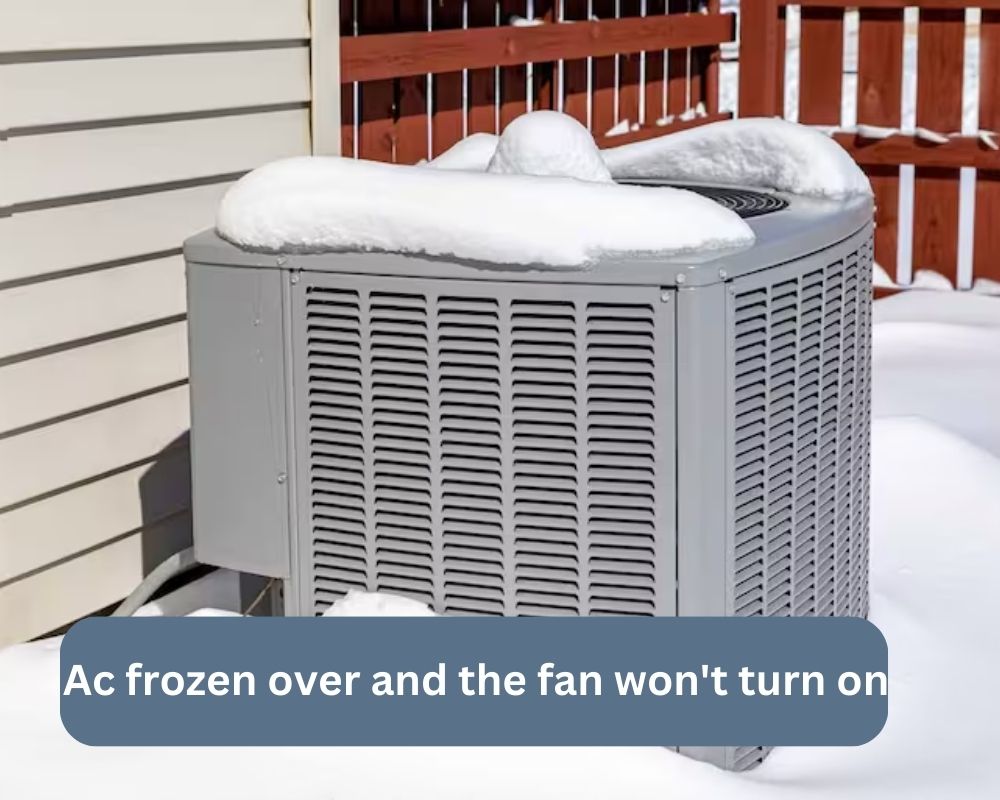
If your AC unit’s frozen over and the fan won’t turn on, there are a few things you can do to try to fix the problem.
First, check to make sure that the power is turned on to the unit.
Next, try resetting the circuit breaker.
If neither of these solutions work, you may need to call a professional to take a look at your AC unit.
Mobile home ac unit freezing up
If your central air conditioner is freezing up, it could be low on refrigerant. When it’s low, it needs to be recharged by a professional. If your AC is more than 10 years old, it could be time for a new one.
Another possibility is that your air filter is dirty. A dirty air filter can restrict air flow, causing your AC to freeze up. Clean or replace your air filter if it’s dirty.
If your AC unit is freezing up, it’s important to take action quickly. A frozen AC unit can lead to expensive repairs. If you think your AC unit is frozen, turn it off and call a professional for help.
Conclusion
It’s summer and that means heatwaves and your AC working overtime. But what do you do when your AC unit freezes up? Here’s a quick guide on how to unfreeze your AC unit.
First, turn off your AC unit and unplug it from the power source. Then, remove the unit’s access panel so you can access the coils. Next, use a garden hose to spray the coils down with water.
Be sure to direct the spray away from the electrical components. Once the coils are thawed, dry them off and replace the access panel. Then, plug the unit back in and turn it on.
Your AC unit should now be working properly.
