If you’ve ever wondered why your air conditioner makes a sound like water running through pipes, you’re not alone. Many people ask this question, and it’s a valid one. After all, your air conditioner is a complex machine, and anything that makes a strange noise is cause for concern.
So, why does your air conditioner sound like water? There are a few possible explanations. One is that your air conditioner is low on refrigerant.
When this happens, the compressor has to work harder to cool the air, and this can cause a gurgling sound. Another possibility is that your air conditioner’s drain line is clogged. This can cause water to back up into the unit, and when this happens, you’ll usually hear a gurgling sound.
If you’re concerned about the noise your air conditioner is making, the best thing to do is to have it checked out by a professional. They’ll be able to diagnose the problem and recommend the best course of action.
There are a few different reasons why your AC might sound like water. It could be that there is water in the unit itself, which is causing the sound. Alternatively, it could be that the unit is not properly ventilated, and the sound is coming from the condensation that is building up inside.
Either way, it is important to have your AC unit checked by a professional to ensure that there is no damage and to prevent any further issues.
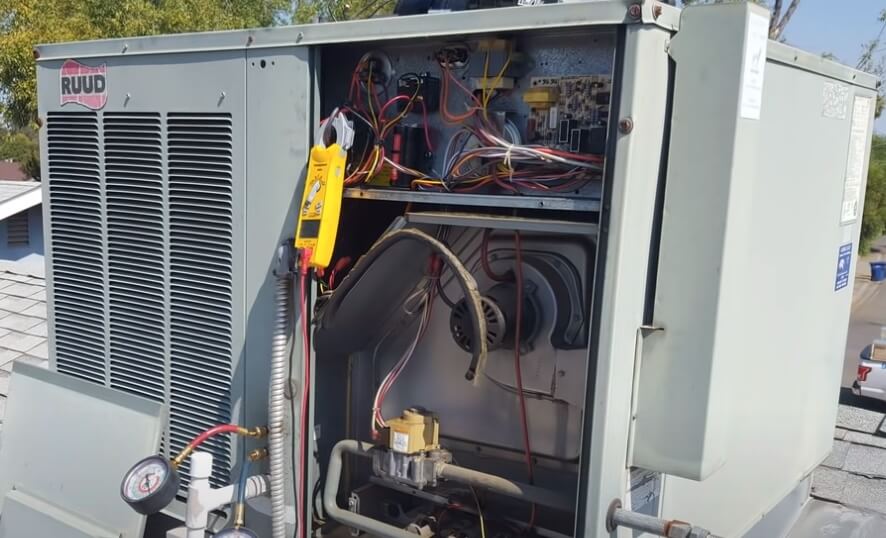
Why does my window ac sound like running water?
This is because the unit is designed to circulate water in order to cool the air. The water is circulated through a series of coils, and the air is cooled as it passes over the coils. The sound of the water flowing through the coils is what causes the unit to sound like running water.
Why does my car air conditioner sound like running water?
If you’ve ever noticed your car’s air conditioner making a sound like running water, you may have been wondering what causes this. There are actually a few different reasons why this may happen. One possibility is that there is simply water in the air conditioner unit.
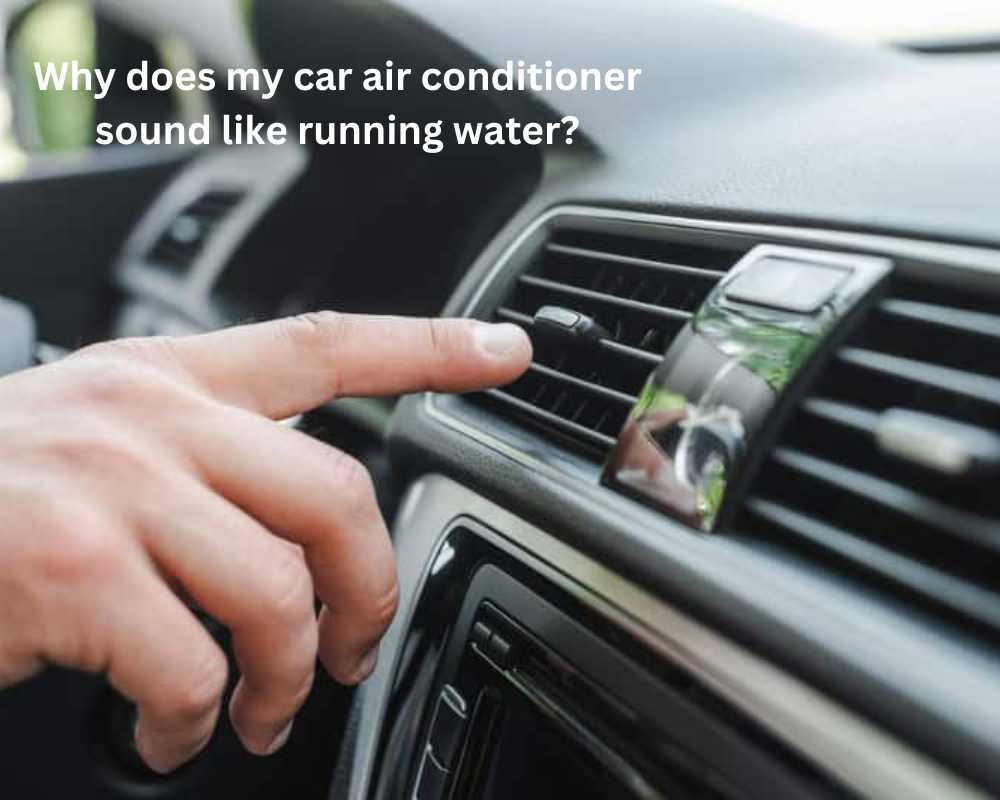
This is not necessarily a problem, and can actually be quite normal. Water can enter the unit through the air intake, and is typically drained away through a small hole. However, if the hole becomes blocked, the water can build up and cause the unit to make a gurgling sound.
Another possibility is that the air conditioner is low on refrigerant. This can happen if there is a leak in the system. When the refrigerant level gets low, it can cause the compressor to make a rattling sound.
If you notice your car air conditioner making either of these sounds, it’s best to have it checked out by a mechanic. They can diagnose the problem and make sure that it’s fixed properly.
Window ac unit sounds like running water
If your window air conditioner makes a gurgling sound, it may be due to a build-up of water in the unit. This can happen if the unit is not level and the water is not draining properly. To fix this, you’ll need to level the unit and make sure the drain line is clear.
Water splashing in the air conditioner
If you’ve ever had water splash in your air conditioner, you know it’s not a pleasant experience. Water and electronics don’t mix, and when water gets into your AC, it can cause all sorts of problems. Here’s what you need to know about water and your air conditioner.
First, it’s important to understand how water can get into your AC. It can happen in a few different ways, but the most common is through the condensate line. The condensate line is the pipe that carries away the water that condenses on your AC’s coils.
If this line gets blocked or damaged, water can back up into your AC. Another way water can get into your AC is through the outdoor unit. If your AC’s outdoor unit is located below ground level, water can seep in through the unit’s base.
Once water is in your AC, it can cause a number of problems. First, it can damage the AC’s coils. This can lead to a loss of efficiency, as the coils won’t be able to properly cool the air.
Additionally, water can short out the AC’s electrical components, causing the AC to stop working altogether. If you think water has gotten into your AC, it’s important to act quickly. First, turn off the AC at the thermostat.
Then, call a professional AC repair technician. They’ll be able to assess the damage and make the necessary repairs.
How to stop dripping noise from air conditioner
If your air conditioner is making a dripping noise, there are a few things you can do to stop it. First, check to see if the drip pan is full. If it is, empty it and clean it out.
Next, check the condensate line to see if it is clogged. If it is, clear it out. Finally, check the evaporator coil to see if it is frozen.
Portable air conditioner water sound
If you have a portable air conditioner, you may have noticed that it makes a strange water sound when it’s running. This is perfectly normal and is caused by the condensation that forms on the unit’s cooling coils. As the air conditioner cools the air, the water vapor in the air condenses on the coils.
This causes the water to drip into the unit’s drainage pan. The sound you hear is the water dripping into the pan. If you notice that your air conditioner is making a lot of noise, it may be time to empty the drainage pan.
You can do this by unplugging the unit and removing the pan. Empty the pan and rinse it out with clean water. Then, replace the pan and plug the unit back in.
If you have any questions about your portable air conditioner, be sure to consult the owner’s manual.
Lg air conditioner water sound
If you have an LG air conditioner, you may have noticed a water sound coming from it. This is normal and nothing to be concerned about. The water sound is simply the result of the condensation that forms on the evaporator coils.
When the coils get cold, the water droplets fall into a pan below, causing the water sound.
Furnace sounds like water running
If you’re hearing water running through your furnace, it’s likely that there is a water leak somewhere in the system. This can be a serious problem, as water can damage the furnace and cause it to malfunction. If you suspect a water leak, you should shut off the furnace and call a repair technician.
In the meantime, you can try to locate the source of the leak by checking for wet spots on the floor or walls near the furnace.
How do I stop my air conditioner from making water noises?
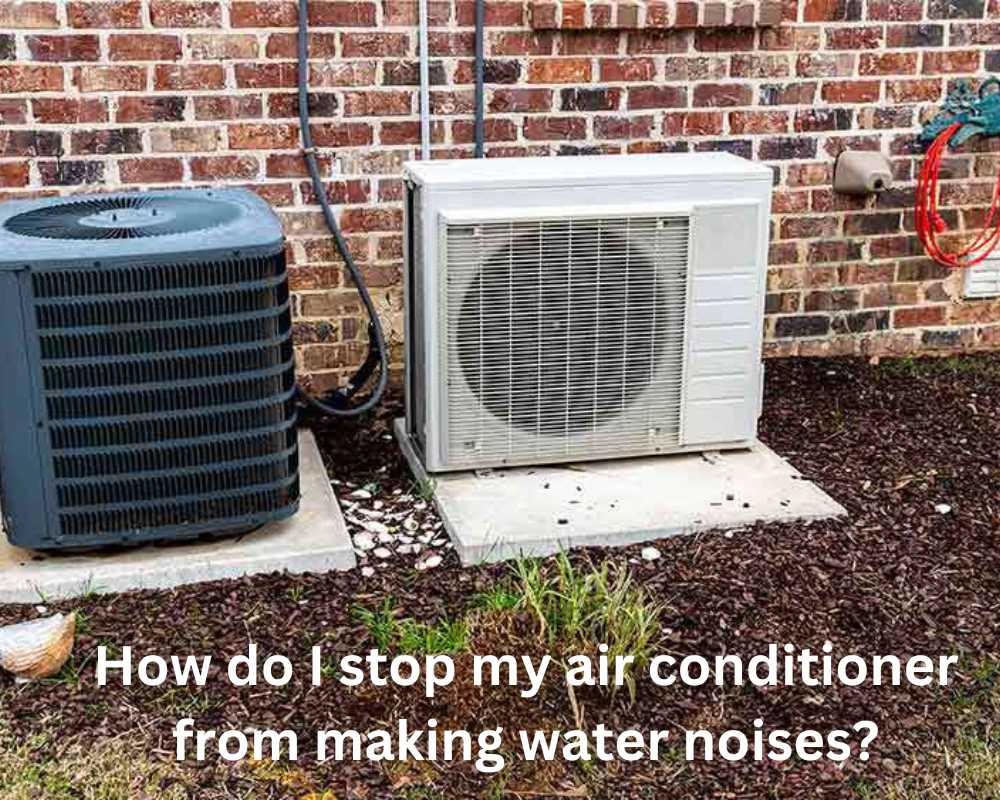
If your air conditioner is making water noises, there are a few things you can do to try to stop it.
First, check the drainage pan to see if it is full of water. To see if it stops the noise, empty it.
If the pan is not full, then the next thing to check is the condensate line. Make sure the line is not clogged or frozen.
The next thing to look for is the evaporator coil if the condensate line is clear. If the coil is dirty, it can cause the air conditioner to make water noises. Clean the coil and see if that stops the noise.
The compressor may be malfunctioning if the noise is still there and the coil is clean. The compressor will need to be replaced if it is making noise.
Split ac indoor unit making noise | ac noise when turned on | split ac noise problem
Conclusion
If your AC unit is making a gurgling or bubbling noise, it could be due to a clogged drain line. When the drain line becomes clogged, water is unable to properly drain from the unit, causing it to back up and make gurgling noises.
In some cases, the clog may be due to debris such as leaves or dirt that has gotten into the line.
If this is the case, you can try using a wet/dry vacuum to remove the debris. However, if the clog is caused by a more serious issue, such as a broken pipe, you will need to call a professional for repair.
