If your AC furnace leaking water, it’s important to identify the source of the leak and take measures to fix it. Otherwise, you could end up with costly water damage to your home. There are a few different reasons why your AC unit may be leaking water, so it’s important to troubleshoot the issue to find the root cause.
In this blog post, we’ll discuss the top five causes of an AC furnace leaking water and what you can do to fix it.
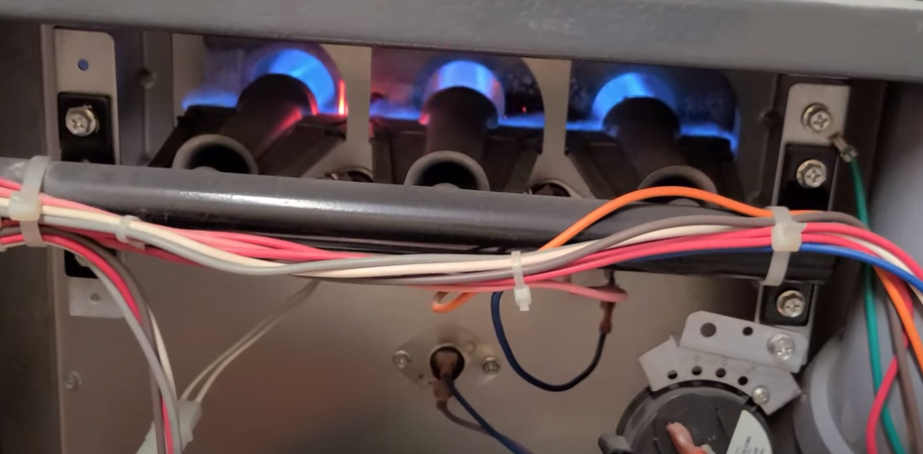
The Top 5 Causes of AC Furnace Leaking Water
When an AC furnace starts leaking water, it can be caused by various issues. Here are the top five causes and their solutions:
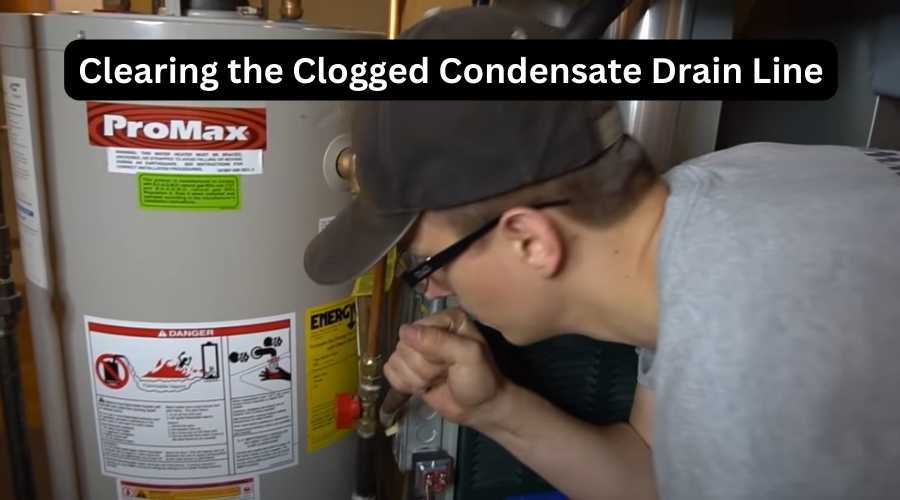
1. Clogged Condensate Drain Line:
Cause: Over time, the condensate drain line can get clogged with dirt, debris, or mold growth, preventing water from properly draining out of the furnace.
Solution: Locate the condensate drain line and use a wet/dry vacuum or a thin, flexible brush to clear the clog. Regularly maintain the drain line to prevent future clogging.
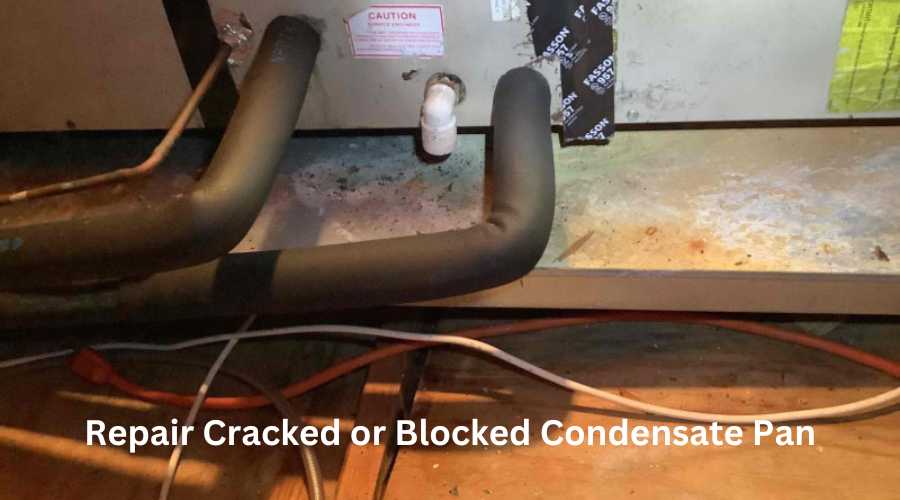
2. Cracked or Blocked Condensate Pan:
Cause: The condensate pan, which collects water from the AC unit, can develop cracks or become blocked, leading to water leakage.
Solution: Inspect the condensate pan for cracks and replace it if necessary. Also, check for any obstructions in the pan and clear them away.
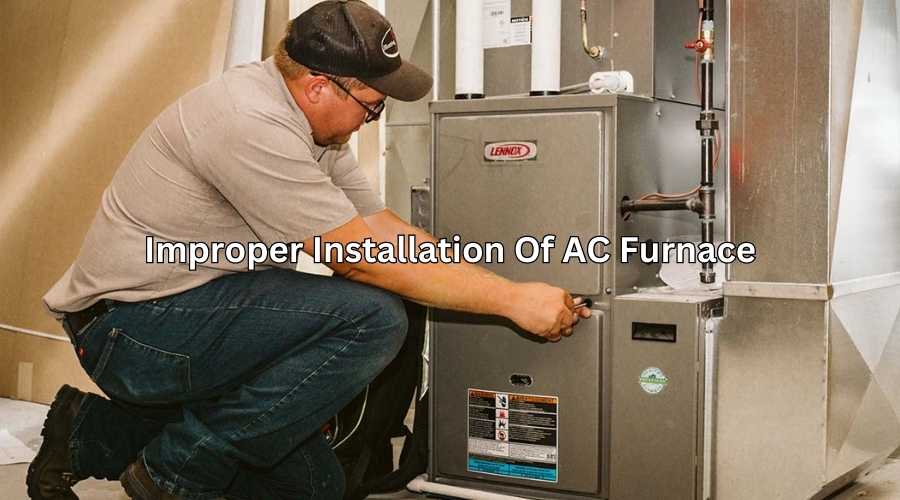
3. Improper Installation:
Cause: Incorrect installation of the AC furnace can lead to various issues, including improper drainage, which can result in water leaks.
Solution: Consult a professional HVAC technician to inspect the installation and make necessary adjustments or corrections to ensure proper drainage and prevent leaks.
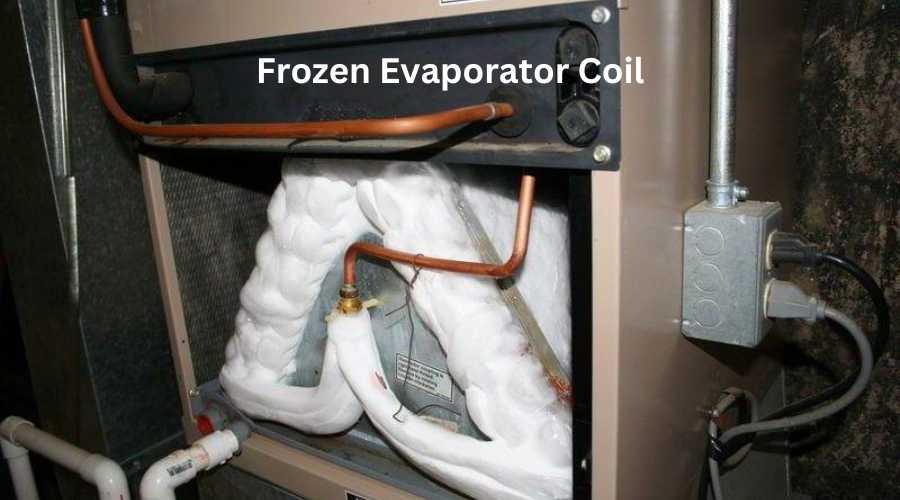
4. Frozen Evaporator Coil:
Cause: A dirty air filter or low refrigerant levels can cause the evaporator coil to freeze. Once it thaws, it can result in excess water that the system may not handle properly, leading to leakage.
Solution: Check and replace dirty air filters regularly. If you suspect low refrigerant levels, have a licensed technician inspect and recharge the refrigerant as needed.
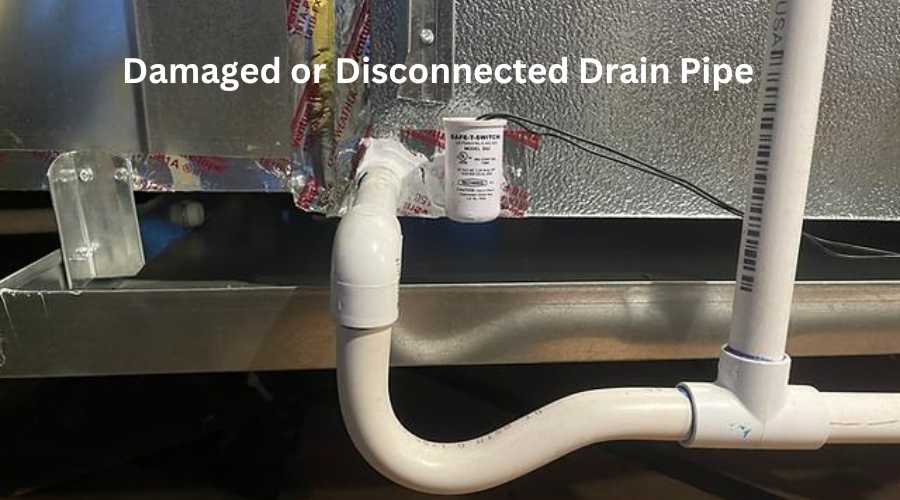
5. Damaged or Disconnected Drain Pipe:
Cause: The drain pipe that carries condensate water away from the furnace can get damaged or disconnected over time.
Solution: Inspect the drain pipe for any visible damage or disconnections. If found, repair or replace the drain pipe to ensure proper water drainage.
Remember, if you are not familiar with HVAC systems or face complex issues, it’s always best to seek the assistance of a professional HVAC technician. Regular maintenance and inspections can help prevent most of these problems and keep your AC furnace running efficiently.
Is it bad if my furnace is leaking water?
If your furnace is leaking water, it’s definitely a cause for concern. While a small amount of condensation is normal, anything more than that could be indicative of a serious problem. Possible causes of a leaking furnace include:
- A cracked heat exchanger
- A clogged condensate drain line
- faulty humidifier
If you notice your furnace is leaking water, it’s important to have a qualified technician take a look at it as soon as possible to diagnose the problem and make the necessary repairs. Ignoring the issue could lead to further damage to your furnace, or even pose a safety hazard.
Why is there water coming from the bottom of my furnace?
If you notice water coming from the bottom of your furnace, there are a few possible explanations. The most likely cause is that the condensate drain line is clogged or frozen. The condensate drain line is a small PVC pipe that drains water away from the furnace.
If this pipe becomes clogged, the water will back up and come out of the bottom of the furnace. Another possible explanation is that the humidifier attached to your furnace is leaking. The humidifier adds moisture to the air to help prevent dryness in your home.
If the humidifier is leaking, the water will drip down and come out of the bottom of the furnace. If you have a gas furnace, another possibility is that the pilot light is too low. This can cause water to drip from the bottom of the furnace.
Whatever the cause, it’s important to fix the problem as soon as possible. Water can cause serious damage to your furnace if it’s left unchecked. If you’re not sure what’s causing the water, call a professional to come take a look.
How do I stop my furnace from leaking?
If your furnace is leaking, it’s important to take action to stop the leak and prevent further damage. Here are four steps you can take to stop your furnace from leaking:
1. Check the oil level and add oil if needed. If your furnace is leaking oil, it’s likely because the oil level is low. Check the oil level and add oil if needed.
2. Clean the furnace filter. A dirty furnace filter can cause the furnace to leak oil. Clean the filter and replace it if necessary.
3. Check the gaskets and seals. If the gaskets and seals are worn, they may be the source of the leak. Replace them if necessary.
4. Call a professional. If you can’t identify the source of the leak or stop the leak, call a professional. A qualified technician can inspect the furnace and make the necessary repairs.
Can I run AC if water is leaking?
If your water is leaking, it’s best not to run your AC. This is because the AC unit will make the leak worse and can cause water damage to your home.
Furnace leaks water when ac is off
If your furnace is leaking water when the AC is off, there are a few possible causes.
First, check to see if the condensate pump is working properly. If the pump is not working, it could be because it is clogged or because the float switch is stuck in the “on” position.
Second, check the condensate line for any blockages.
Third, check the drain pan for any leaks.
If you find any of these problems, you should call a qualified HVAC technician to come and take a look.
High-efficiency furnace leaking water
If you have a high-efficiency furnace, you may have noticed that it leaks water. This is perfectly normal and is not a cause for concern. The water is created by the combustion process and is drained away through a condensation line.
If the line becomes blocked, the water will back up and leak out of the furnace. If you notice water leaking from your high-efficiency furnace, the first thing you should do is check the condensation line. Make sure it is not blocked or kinked.
If the pan is full of water, it will need to be emptied. If you have checked the condensation line and the drain pan and the leaks persist, it is time to call a heating and cooling technician.
Is furnace leaking water dangerous?
If you’ve ever come home to a puddle of water around your furnace, you may be wondering if it’s dangerous. After all, water and electricity don’t mix! Here’s the good news: in most cases, a leaking furnace is not dangerous.
The water is likely coming from the condensation pan, which is located under the furnace. This pan collects water that drips off the evaporator coils. If the condensation pan is full, the water will overflow and leak onto the floor.
This is usually the only time you need to worry about a leaking furnace. If the water is coming from somewhere else, such as the supply or return lines, it could be a sign of a more serious problem. If you suspect a more serious problem, it’s best to call a professional for help.
In short, a leaking furnace is usually not dangerous. However, if you’re unsure of the source of the leak, it’s always best to err on the side of caution and call a professional.
Furnace leaking water from top
If you have a furnace that’s leaking water from the top, there are a few things that could be causing the problem. One possibility is that the condensation pan is full and needs to be emptied. Another possibility is that the condensation line is clogged and needs to be cleaned out.
In either case, it’s important to take care of the problem as soon as possible to prevent water damage to your home. If you think the condensation pan is the problem, start by turning off the furnace and letting it cool down. Then, empty the pan and dry it out completely.
If the problem persists, you may need to call a professional to clean out the condensation line. If you think the condensation line is the problem, start by checking to see if it’s clogged.
Why is my furnace leaking water from the bottom?
If you notice your furnace leaking water from the bottom, it is important to address the issue promptly. A furnace leak can lead to serious damage to both your heating system and your home. The most common cause of a furnace leak is a blocked condensation line, which can cause water to back up and overflow from the drip pan.
Other possible causes include a cracked heat exchanger, a faulty humidifier, or a malfunctioning pump. If you are unsure of the cause of the leak, it is best to contact a professional HVAC technician to diagnose and repair the issue.
Regular maintenance and inspections can also help prevent future leaks and ensure your furnace is functioning efficiently.
Water dripping from furnace PVC pipe
If your furnace has a PVC pipe that is dripping water, there are a few possible causes. First, it could be that the PVC pipe is simply condensing water vapor from the exhaust fumes. This is perfectly normal and nothing to be concerned about.
However, if the PVC pipe is dripping a lot of water, it could be a sign that the furnace is not venting properly. This could be due to a blockage in the vent pipe or a problem with the furnace itself. If you suspect that your furnace is not venting properly, you should call a qualified technician to come and take a look.
Another possible cause of a dripping PVC pipe is a leak in the pipe itself. This can be a serious problem, as it can allow dangerous gases to escape from the furnace. If you think you may have a leak in the PVC pipe, you should shut off the furnace immediately and call a technician.
Whatever the cause of your dripping PVC pipe, it is important to have it fixed as soon as possible. If you ignore the problem, it could lead to serious damage to your furnace or even a house fire.
Furnace leaking water from overflow pipe
If you notice water leaking from your furnace’s overflow pipe, there’s no need to panic. This is a relatively common issue that can usually be fixed quite easily. In most cases, the leak is caused by the condensate pan overflowing.
This can happen if the pan is cracked or if the drain line is blocked. If you suspect that your pan is cracked, the best course of action is to replace it. You can do this yourself if you’re handy, or you can hire a professional.
If the pan is in good condition, however, the leak is likely due to a blocked drain line. Clearing a blocked drain line is a relatively simple process.
First, locate the blockage. This is usually where the drain line meets the condensate pan.
Next, use a plunger or a plumber’s snake to clear the blockage.
Once the blockage is cleared, the leak should stop. If it doesn’t, there may be another issue at play. In any case, it’s best to consult a professional to diagnose and fix the problem.
Furnace leaking water in winter
If you notice your furnace leaking water in winter, it’s important to take action right away. A leaky furnace can lead to a number of problems, including water damage to your home and a decrease in heating efficiency. There are a few possible reasons for your furnace to be leaking water.
One possibility is that the condensation pan is full and needs to be emptied. Another possibility is that there’s a problem with the condensate pump or drain line. If the condensate pump isn’t working properly, it can cause water to back up and leak out of the furnace.
If you think your furnace is leaking water, the first thing you should do is check the condensation pan.
Make sure the pump is turned on and that the power cord is plugged in. If the pump seems to be working, check the drain line to see if it’s clogged. If the line is clogged, clear it and see if the leak stops.
If your furnace is still leaking water after you’ve checked the condensation pan and pump, it’s time to call a heating technician. They can diagnose the problem and make the necessary repairs.
Furnace heat exchanger leaking water
If your furnace’s heat exchanger is leaking water, it’s important to take action quickly to avoid further damage to your furnace. The heat exchanger is a key component in your furnace, and if it’s damaged, it can lead to expensive repairs or even replacement.
There are a few signs that you can look for to see if your heat exchanger is leaking water.
One is if you notice water pooling around your furnace.
Another is if you see steam or smoke coming from your furnace. If you notice either of these signs, it’s important to shut off your furnace and call a professional for help.
Once you’ve shut off your furnace, you’ll want to call a professional to come and take a look at the heat exchanger. They can determine if it needs to be repaired or replaced. If it does need to be replaced, they can also help you choose a new heat exchanger that will be compatible with your furnace.
Replacing a heat exchanger can be expensive, but it’s important to do if it’s leaking water. By taking action quickly, you can avoid further damage to your furnace and save yourself money in the long run.
Why Does My Furnace Leak Water? Can I Fix It?
Conclusion
Your air conditioner’s furnace is designed to circulate air in your home and remove moisture from the air. During the cooling process, your air conditioner’s evaporator coils remove heat from the air. This causes the air to become cooler and the coils to condense.
