If you’ve recently installed a new air conditioning unit and are experiencing an unexpected level of loud and noise inside your home then this guide is only for you?
While modern AC systems are designed to operate quietly and efficiently, certain factors can contribute to excessive noise levels.
In this blog post, we will explore the causes behind a loud AC unit and provide remedies to help you restore tranquility to your living space. Whether it’s a mechanical issue, improper installation, or an inadequate duct system, we will delve into the potential sources of noise and offer practical solutions to address each problem.
So sit back, relax, and let’s dive into the world of AC noise troubleshooting!
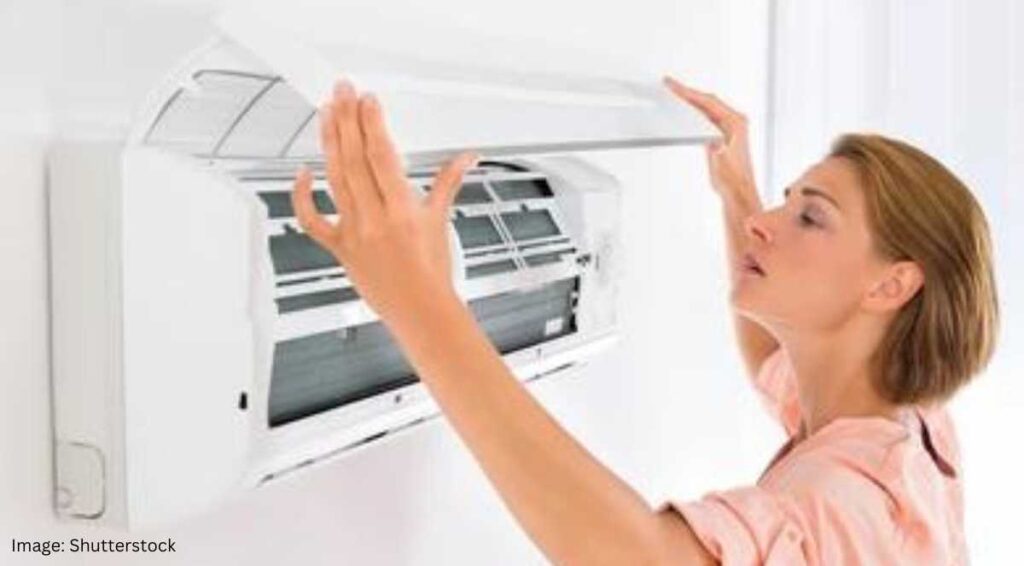
Why Is My New AC So Loud Inside? Reveal the Causes
There are a few reasons why your new AC may be loud inside your home. One reason could be that the unit is too big for the space it is in. Another reason could be that the unit is not properly installed.
Lastly, the unit could be old and in need of repair or replacement. If you are unsure of why your new AC is so loud, you should contact a professional to help diagnose the problem.
Here are a few reasons why your new AC unit may be noisy and what you can do about it:
1. The AC unit is too big for the space: If the AC unit is too big for the space, it will have to work harder to cool the room, which can make it noisy. To fix this, you’ll need to get a smaller AC unit.
2. The AC unit is old: Older AC units can be quite noisy. If your AC unit is old, you may want to consider replacing it with a newer, quieter model.
3. The AC unit is dirty: Dirty AC units can also be quite noisy. If your AC unit is dirty, be sure to clean it according to the manufacturer’s instructions.
4. The AC unit is in a poorly insulated room: If the room where the AC unit is located is poorly insulated, the noise will be amplified. To fix this, you’ll need to add more insulation to the room.
Fortunately, there are ways to reduce the noise of your AC unit. By following the tips above, you can enjoy a quieter, more comfortable home.
My Air Conditioner Unit Is Loud – How Can I Solve It?
If your air conditioner unit is emitting a disruptive noise, there are steps you can take to alleviate this issue.
Firstly, ensure that the unit is properly installed and secured. Loose screws or bolts can contribute to excess noise.
Next, inspect the fan blades for damage or debris that may be causing the noise. Cleaning or replacing the blades can significantly reduce the noise level.
Additionally, check the unit’s filters and vents for any obstructions or dirt buildup, as they can impede airflow and create noise. Regular maintenance, including lubricating the motor and ensuring proper belt tension, is crucial for noise reduction.
Lastly, consider contacting a professional technician to inspect the unit thoroughly and address any underlying mechanical issues.
How can I make my air conditioner quieter inside?
If you are looking to make your air conditioner quieter inside your home, there are a few things you can do. First, you can check to see if there are any loose parts on the unit itself. If there are, tighten them up.
You can also add insulation around the unit to help muffle the noise. Finally, make sure that the air conditioner is properly installed. If it is not, it will vibrate and make more noise than necessary.
Are new AC units loud?

If you’re considering purchasing a new air conditioner, you may be wondering if the unit will be loud. While some air conditioners can be noisy, newer units are typically much quieter than older models. In fact, many newer air conditioners are so quiet that you may not even notice they’re running.
There are a few factors that affect how noisy an air conditioner is. One is the type of compressor the unit has. Older air conditioners typically have reciprocating compressors, which can be quite loud.
Newer units, on the other hand, often have scroll compressors, which are much quieter. Another factor that affects noise level is the size of the unit. Larger air conditioners tend to be louder than smaller units.
This is because they have to move more air, which requires more power and creates more noise.
Finally, the location of the air conditioner can also affect how loud it is. If the unit is installed in an enclosed space, such as a closet, it will be much louder than if it’s installed in an open area.
If you’re concerned about noise, be sure to ask about the noise level of the air conditioner before you purchase it.
Why is my AC blower so loud inside my house?
If you’ve ever wondered why your AC blower is so loud inside your house, you’re not alone. Many homeowners report that their AC blowers are noisy, and the noise can be quite bothersome. There are a few reasons why your AC blower may be noisy, and we’ll explore those reasons in this blog post.
One reason why your AC blower may be noisy is that it’s dirty. Over time, dust and dirt can build up on the blades of the blower, and that can cause the blower to be noisy. If you think that your blower is dirty, you can try cleaning it yourself or you can hire a professional to clean it for you.
Another reason why your AC blower may be noisy is that it’s not properly maintained. Like any other mechanical device, AC blowers need to be properly maintained in order to function properly. If your blower isn’t properly maintained, it can start to make noise.
Why Is My AC So Loud? Relief From Noisy Air Conditioners
If you’re wondering why your AC is making so much noise, you’re not alone. Noisy air conditioners can be quite bothersome and disruptive, but there are ways to find relief. Several factors can contribute to the loudness, including loose or worn-out parts, clogged air filters, or a malfunctioning fan.
To address the issue, start by checking and cleaning the air filters regularly. If the noise persists, it’s best to contact a professional HVAC technician to diagnose and fix any underlying problems. Remember, a quiet and efficient air conditioner can provide you with a more comfortable and peaceful environment.
Why is my air conditioner unit so loud?
If your air conditioner unit is making a lot of noise, there could be a few reasons why. One possibility is that the fan blades or motor are dirty or damaged, which can cause vibrations and loud sounds.
Another reason might be a loose or worn-out belt that needs to be replaced. Additionally, the compressor could be malfunctioning, resulting in excessive noise.
It’s important to have a professional technician inspect your unit to diagnose the exact cause of the noise and carry out any necessary repairs or maintenance.
How to quiet a noisy air conditioner inside?
If your air conditioner is making too much noise, there are a few things you can do to try to quiet it down. First, check to see if there is anything blocking the unit’s vents. If there is, clear the obstruction and see if that makes a difference.
If the unit is still too noisy, you may need to replace some of the parts. The compressor and blower motor are usually the most common culprits. You can try replacing them yourself, but it’s best to call a professional if you’re not sure what you’re doing.
Air conditioner sounds like a jet engine
If your air conditioner is making a noise that sounds like a jet engine, there are a few potential causes. One possibility is that the fan blades are hitting something, which is causing the blades to vibrate. This can happen if the fan blades are bent or if there is something blocking the blades.
Another possibility is that the compressor is failing. This can cause a variety of noises, including a jet engine-like sound. If the compressor is failing, it will need to be replaced.
Why is my central air so loud inside?

If your central air conditioner is so loud inside your home that it’s driving you crazy, there are a few potential reasons why. First, the most common reason for a noisy AC unit is simply that it’s old and needs to be replaced. As air conditioners age, their parts can start to wear down and make more noise.
If your AC unit is more than 10 years old, it’s probably time for a replacement. Another potential reason for a noisy central air conditioner is that it’s not properly maintained.
If you don’t clean or replace the air filter regularly, the unit has to work harder to circulate air, which can make it louder.
Additionally, if the coils are dirty, the unit will have to work harder to cool your home, which can also make it louder. To avoid this, be sure to change your air filter every 1-3 months and have your AC unit serviced by a professional at least once a year.
Finally, if your AC unit is located in an enclosed space, such as a closet, that can also make it louder.
If possible, try to move the unit to a more open area to see if that reduces the noise. If your central air conditioner is loud and driving you crazy, there are a few potential reasons why. Most commonly, it’s simply because the unit is old and needs to be replaced.
Why is my AC so loud in my house?
If you’re like most people, you probably don’t think much about your air conditioner until it starts making strange noises. A noisy air conditioner can be a sign that something is wrong with the unit, and it can be quite annoying for you and your family.
There are a few reasons why your air conditioner might be making a loud noise, and we’ll go over a few of them here.
One reason why your air conditioner might be making a loud noise is that the compressor is going bad. The compressor is responsible for circulating refrigerant throughout the unit, and if it’s not working properly, it can make a lot of noise. If you think the compressor might be going bad, it’s best to call a professional to take a look at it.
Another reason why your air conditioner might be making a loud noise is that the fan is hitting something. The fan is responsible for circulating air throughout the unit, and if it’s hitting something, it can make a lot of noise. You’ll want to check to see if the fan is hitting anything before you call a professional.
A third reason why your air conditioner might be making a loud noise is that the ductwork is damaged. The ductwork is responsible for carrying air from the unit to the vents, and if it’s damaged, it can make a lot of noise.
Why is my window AC so loud?
If your window air conditioner is making a lot of noise, there are a few possible reasons. The most common reason is that the unit is simply old and needs to be replaced. Over time, the moving parts inside an air conditioner can become less efficient, resulting in more noise.
In some cases, the noise may be coming from the compressor, which is located outside the unit. If your unit is new, the noise could be due to a loose part or improperly installed insulation.
In either case, it’s best to call a professional for help.
Why is my AC so loud in my car?
If you’ve ever wondered why your car’s air conditioner is so loud, you’re not alone. Many people find that their car’s AC is significantly louder than their home’s AC unit. There are a few reasons for this, and we’ll explore them in this blog post.
One reason your car’s AC may be louder than your home’s AC is that the compressor is located right under the hood. This means that the sound of the compressor is amplified by the metal of the car. Additionally, your car’s AC may be louder because it has to work harder than your home’s AC.
Your car’s AC has to cool a small space (the cabin of your car) very quickly, while your home’s AC can cool a much larger space (your entire house) more slowly.
Another reason your car’s AC may be louder is that it is less efficient than your home’s AC. Your car’s AC has to cool the air more quickly, which means that it uses more energy and produces more waste heat.
This waste heat is then released into the cabin of your car, making the air inside your car even hotter. If you’re finding that your car’s AC is too loud, there are a few things you can do to lessen the noise. First, you can try to find a noise-canceling setting on your car’s AC controls.
This may not work for all cars, but it’s worth a try.
Why is my AC vent so loud?
If your AC vent is particularly loud, there are a few potential causes. First, your AC unit may be too big for the space it’s cooling. This means that it has to work harder to circulate air, which can make the vent noise louder.
Second, the ductwork that carries air from your AC unit to the vents may be too small. This can also restrict air flow and make the vent noise louder.
Finally, the vents themselves may be dirty or obstructed, which can also cause the noise to be louder.
If you’re concerned about your AC vent noise, the best thing to do is have a professional HVAC technician take a look. They can help you determine the cause of the noise and suggest solutions to help reduce it.
Loud AC unit apartment
If you live in an apartment, chances are you’re familiar with the sound of your neighbor’s AC unit. While some people find the sound of white noise that helps them sleep, others find it incredibly annoying. If you’re in the latter camp, there are a few things you can do to try to reduce the noise.
First, try to figure out where the noise is coming from. Is it the compressor? The fan?
Once you know the source of the noise, you can try to soundproof it. If the noise is coming from the compressor, you can try to insulate it with styrofoam or other materials. If the noise is coming from the fan, you can try to lubricate it or put it on a softer surface.
When you can’t figure out where the noise is coming from or if you can’t soundproof it, your next best bet is to try to block it out. This can be done with earplugs, white noise machines, or even just by closing your windows and doors. If you’re struggling to deal with a noisy AC unit, talk to your neighbors and see if they’re open to making some changes.
If everyone is on board, you can try to soundproof the common area or schedule times when everyone can turn their units off. Whatever you do, don’t suffer in silence! There are ways to reduce the noise from your neighbor’s AC unit, so you can get some peace and quiet.
Conclusion
If your new air conditioner is louder than your old one, there are a few possible explanations. The most likely cause is that the unit is too big for the space it’s cooling. A unit that’s too big will cycle on and off more frequently, leading to more noise.
Another possibility is that the unit isn’t installed correctly. Make sure that all the screws are tight and that the unit is level. If the problem persists, you may need to call a professional.

I’m impressed, I must say. Rarely do I come across a blog that’s both equally educative and interesting, and without a doubt, you’ve hit the nail on the head. The problem is an issue that too few men and women are speaking intelligently about. I’m very happy I found this in my search for something relating to this.