Why does my AC whistle? It could be because of a few different things. The most common reason for this noise is that the air conditioner is not properly sized for your home. When an air conditioner is too big or too small for a home, it can cause a number of problems, including making a whistling noise.
Another reason your air conditioner may be whistling is that the fan blades are unbalanced. This can cause the fan to vibrate and make a whistling noise. If the fan blades are unbalanced, they will need to be replaced.
Finally, your air conditioner may be whistling because there is something caught in the air filter. If there is something caught in the air filter, it will need to be removed so that the air can flow freely.
Why Does My Ac Whistle? Understand the reasons!
There are a few reasons why your AC may be whistling. One reason could be that the AC is not properly grounded. If the AC is not properly grounded, it can create a high-pitched whistling sound.
Another reason could be that the AC is not properly sized for the space it is cooling. If the AC is too small for the space, it will have to work harder and will make a whistling sound.
Finally, the AC may be low on refrigerant. If the AC is low on refrigerant, it will make a whistling sound as the compressor tries to pump refrigerant through the system.
Besides the above reason, there could be the following reasons why does my AC whistles.
Here are some possible causes:
- Dirty air filters: Clogged or dirty air filters can cause whistling noises due to reduced airflow.
- Restricted airflow: Obstructions in the ductwork or vents can impede airflow and cause whistling noises.
- Loose parts: Loose fan blades or screws can vibrate and cause whistling noises.
- Refrigerant leaks: Leaking refrigerant can cause a high-pitched whistling sound.
- Faulty compressor: A malfunctioning compressor can also cause whistling noises.
It’s important to address any unusual sounds coming from your AC unit, as they may indicate a larger problem. Consult a professional technician for proper diagnosis and repairs.
Why is the AC whistling?
If your air conditioner is producing a loud whistling noise, it could be due to a few different issues. One possibility is that the air conditioner’s outdoor unit is dirty. When dirt and other debris build up on the unit’s fins, it can cause the air conditioner to produce a whistling noise.
Another possibility is that the air conditioner’s compressor is damaged. If the compressor is damaged, it can cause the air conditioner to produce a loud whistling noise. If you think that either of these issues could be the cause of the noise, you should contact a qualified air conditioning technician to have the unit serviced.
How do I stop my air conditioner from squeaking?
If your air conditioner is making a squeaking noise, there are a few possible causes. The most common cause is a loose or damaged belt. The belt helps to keep the air conditioner’s compressor and fan spinning smoothly.
If the belt is loose, it can start to slip and make a squeaking noise. If the belt is damaged, it may also squeak as it tries to turn the compressor or fan. Another possible cause of a squeaking noise from your air conditioner is a problem with the compressor.
The compressor is responsible for pumping refrigerant through the air conditioner’s coils. If the compressor is damaged, it may make a squeaking noise as it tries to operate. If your air conditioner is making a squeaking noise, the best course of action is to have it inspected by a qualified technician.
They will be able to diagnose the problem and make the necessary repairs.
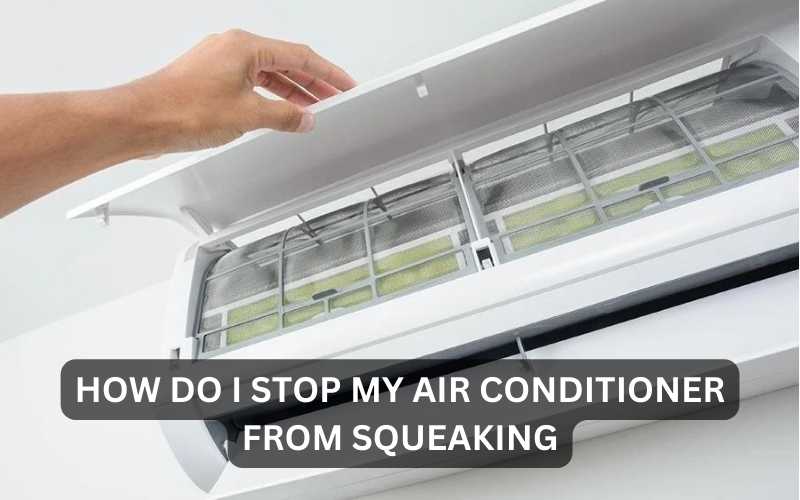
Why is my AC making a screeching sound?
If your AC is making a screeching sound, it could be because the compressor is failing. The compressor is the heart of the AC unit, and it pumps refrigerant through the system. If the compressor fails, it can cause a screeching sound.
Other potential causes of a screeching sound include a loose belt or pulley, or a problem with the bearings in the motor. If you hear a screeching sound from your AC unit, you should have it checked out by a professional to diagnose the problem.
Why does my ac whistle in my car?
If your car’s air conditioner starts making a loud, whistling noise, there could be several potential causes. One possibility is that the condenser fan motor is damaged and needs to be replaced. Another possibility is that the air conditioner’s compressor is malfunctioning.
If the compressor is not working properly, it can cause the refrigerant to leak out, which can lead to a whistling noise. If your car’s air conditioner is making a whistling noise, it’s important to have it checked out by a qualified mechanic as soon as possible.
If the problem is not addressed, it could lead to further damage to your car’s air conditioning system.
How do I stop my air conditioner from whistling?
If your air conditioner is making a whistling noise, it may be due to a problem with the fan. The fan is responsible for circulating air through the air conditioner, and if it is not working properly, it can cause the air conditioner to make a whistling noise. There are a few things you can do to try to fix the problem.
First, check to make sure that the fan is clean. If the fan is dirty, it may not be able to spin properly, which can cause the air conditioner to make a whistling noise. Clean the fan by removing it from the air conditioner and using a brush to remove any dirt or debris.
If the fan is clean and the air conditioner is still making a whistling noise, it may be due to a problem with the fan motor. The fan motor is responsible for spinning the fan, and if it is not working properly, it can cause the air conditioner to make a whistling noise. You can try to fix the problem by cleaning the fan motor.
Remove the fan motor from the air conditioner and use a brush to remove any dirt or debris. If the fan motor is still not working properly, you may need to replace it. If the air conditioner is still making a whistling noise after you have checked the fan and the fan motor, it may be due to a problem with the air conditioner itself.
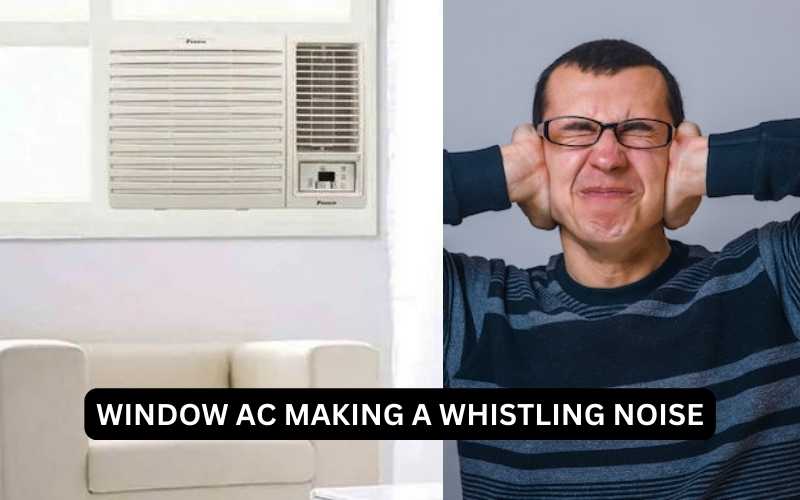
Window ac making a whistling noise
If your window air conditioner is making a whistling noise, there are a few potential causes. The most common cause is a blockage in the air conditioner’s air filter or in the air conditioner’s evaporator coils. If the air filter is dirty, it can block air from flowing through the air conditioner, causing the whistling noise.
If the evaporator coils are dirty, they can also block airflow and cause a whistling noise. Another potential cause of the whistling noise is a loose screw or bolt in the air conditioner. If a screw or bolt is loose, it can vibrate and cause a whistling noise.
Finally, the whistling noise could be caused by a problem with the air conditioner’s compressor. If the compressor is not working properly, it can make a whistling noise. If you’re not sure what is causing the whistling noise, it’s best to call a professional to diagnose and repair the problem.
Outside ac unit making a whistling noise
If you have an outside AC unit that’s making a whistling noise, there are a few possible causes. First, check to see if there’s anything blocking the unit’s air intake or exhaust. If there’s a blockage, the unit won’t be able to operate properly and will make strange noises.
Additionally, the unit may be low on refrigerant. If this is the case, you’ll need to have a professional service the unit and add more refrigerant. Finally, the unit’s fan blades may be hitting something, which would also cause a whistling noise.
If you can’t identify the cause of the noise, it’s best to call a professional AC repair person to take a look.
Air filter whistle noise
If your car’s air filter is clean, then the whistle noise you’re hearing is most likely coming from a hole in the air filter box. This hole can be caused by a number of things, but the most common cause is a loose clamp. Check to see if the clamp that holds the air filter in place is tight.
If it’s loose, tighten it. If the clamp is already tight, then the hole is most likely due to a crack in the air filter box. In this case, you’ll need to replace the air filter box.
Ac compressor whistling noise
If your car’s air conditioner is making a loud, whistling noise, it could be a sign of a problem with the compressor. The compressor is the heart of the air conditioning system, and it pumps refrigerant through the system. If the compressor isn’t working properly, it can cause a variety of problems, including the loud, whistling noise.
There are a few potential causes of a noisy compressor. One possibility is that the compressor is low on refrigerant. This can happen if there’s a leak in the system.
Another possibility is that the compressor itself is damaged. This damage can be caused by a variety of things, including a lack of lubrication, overloading, or simply wear and tear. If your car’s air conditioner is making a loud, whistling noise, it’s important to have it checked out by a mechanic.
They can diagnose the problem and make the necessary repairs. Ignoring the problem could lead to further damage to the compressor or other parts of the system.
High pitched whistling sound in the house
If you’re hearing a high-pitched whistling sound in your house, it’s likely that there’s a draft coming from somewhere. Drafts can be caused by a number of things, including gaps around doors and windows, cracks in the walls, or even a chimney that’s not properly sealed. Drafts can let in cold air, which can make your home feel colder than it actually is.
In the winter, this can cause your heating bills to go up, as you have to heat your home more to make up for the cold air coming in. In the summer, drafts can make your air conditioner work harder than it needs to, which can also lead to higher ac bills. If you’re hearing a high-pitched whistling sound, take a look around your home and see if you can identify where the draft is coming from.
Once you’ve found the source of the draft, you can take steps to seal it up and keep your home more comfortable and energy-efficient.
Why does my return air vent whistle?
If you have a return air vent that whistles, there are a few possible explanations. One is that the vent is too close to a wall or another object, and the air is vibrating as it passes by. Another possibility is that the vent is obstructed in some way, preventing the air from flowing freely.
Finally, the whistling could be caused by a problem with the ductwork itself, such as a loose connection. If you’re not sure what’s causing the whistling, it’s best to call a professional to take a look. They can diagnose the problem and recommend the best solution.
Why does the air conditioner in my car whistle?
Conclusion
If your AC is whistling, it could be because the unit is too big for the space, the air filter is dirty, or the blower wheel is damaged. If the unit is too big, it will cycle on and off too frequently and won’t be able to maintain a consistent temperature. A dirty air filter can restrict air flow, causing the unit to work harder and making it more likely to overheat.
A damaged blower wheel can also cause the unit to overheat and will need to be replaced.
