There are a few reasons why your AC could be whistling. The first reason could be that your AC is low on refrigerant. When your AC is low on refrigerant, it has to work harder to cool your home, which can cause it to make strange noises.
Another reason could be that your AC is dirty. When your AC is dirty, the air that it’s trying to cool has to travel through a lot of dirt and grime before it gets to your home, which can also cause it to make strange noises. The last reason could be that your AC is simply old and needs to be replaced.
If your AC is old, it may not be able to cool your home as efficiently as it used to, which can also cause it to make strange noises.
If your AC is whistling, it may be because the blower wheel is unbalanced. This can happen if the wheel is dirty or if the bearings are worn out. You can try cleaning the wheel and bearings, but if they are worn out, you’ll need to replace them.
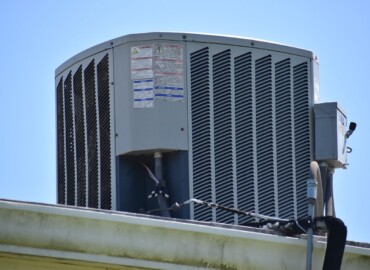
Why is my car ac whistling
If your car’s air conditioner is making a whistling noise, there could be a few different reasons why. The most common reason is that there is a leak in the air conditioner system. This can be caused by several things, such as a loose hose, a crack in the evaporator, or a problem with the compressor.
Another possibility is that the air conditioner is low on refrigerant. This can happen if there is a leak in the system, or if the air conditioner wasn’t properly charged when it was last serviced. If you’re not sure what the problem is, it’s best to take your car to a mechanic or an air conditioning specialist to have it checked out.
They’ll be able to diagnose the problem and recommend the best course of action to take.
How do I stop my air conditioner from whistling?
If your air conditioner is whistling, it could be due to a number of different issues. If you think the problem is with your AC unit, you can try the following tips to see if they help stop the whistling noise:
1. Check the air filter and make sure it isn’t dirty or clogged. A dirty air filter can cause the AC unit to work harder than necessary, which can lead to a whistling noise.
2. Inspect the AC unit’s outdoor condenser coils and make sure they’re clean. Dirty coils can also cause the AC unit to work harder than necessary, leading to a whistling noise.
3. Make sure nothing is blocking the AC unit’s outdoor condenser unit. If something is blocking the airflow, it can cause the unit to work harder and make a whistling noise.
4. Check the AC unit’s refrigerant level and make sure it’s full. If the refrigerant level is low, it can cause the AC unit to work harder and make a whistling noise.
5. Inspect the AC unit’s ductwork and make sure there are no leaks. Leaks in the ductwork can cause the AC unit to work harder and make a whistling noise.
If you’ve tried all of these tips and the whistling noise persists, it’s best to call a professional AC repairman to diagnose and fix the problem.
Window ac whistling
Window air conditioners are a great way to cool your home during the hot summer months. But sometimes, your window AC can start making a whistling noise. This can be annoying and even disruptive to your sleep.
There are a few possible reasons why your window AC is making a whistling noise. One possibility is that the unit is not properly sealed. If there is a gap between the AC unit and the window frame, air can escape and make a whistling sound.
Another possibility is that the fan blades are dirty or damaged. If the blades are unbalanced, they can also cause a whistling noise. If your window AC is making a whistling noise, there are a few things you can do to try to fix the problem.
First, check to see if the unit is properly sealed. If there is a gap, you can try to seal it with weatherstripping or caulking. If the fan blades are dirty, you can clean them with a soft cloth.
When the blades are damaged, you may need to replace them. If you can’t fix the problem yourself, you may need to call a repairman. But in most cases, you should be able to fix the problem and enjoy a quiet, cool home.
Air filter whistle noise
If you have an air filter in your home, you may have noticed that it can make a whistling noise. This is perfectly normal and is caused by the air filter itself. The air filter is designed to trap dust, pollen, and other airborne particles.
As the air filter does its job, the air passing through it is slowed down, which can cause the air filter to vibrate and produce a whistling sound. If the whistling noise from your air filter is bothersome, there are a few things you can do to reduce it. First, make sure that the air filter is properly secured in its housing.
Loose air filters can vibrate more and produce more noise. Second, you can try replacing the air filter with a different type. Some air filters are designed to minimize noise, so switching to one of these may help.
Third, if the whistling noise is still a problem, you can try soundproofing the area around the air filter. This will help to muffle the noise and make it less noticeable. Overall, a whistling air filter is nothing to worry about.
It’s simply the result of the air filter doing its job. If the noise is bothersome, there are a few things you can do to reduce it.
High pitched whistling sound in the house
If you’re hearing a high-pitched whistling sound in your house, it could be caused by several things. It could be something as simple as a loose pipe or fixture, or it could be something more serious like a gas leak. If you suspect a gas leak, it’s important to take action immediately and evacuate the premises.
If you don’t suspect a gas leak, check all of your pipes and fixtures to see if anything is loose. Tighten any loose connections and see if that stops the whistling sound. If the whistling sound persists, it’s best to call a professional to take a look.
They will be able to determine the cause of the noise and make the necessary repairs.
Return air vent whistling
If you have a return air vent that is whistling, there are a few possible causes. One is that the vent cover is not properly seated on the return duct. Another possibility is that the return duct itself is damaged or has a hole in it.
If the whistling is coming from the furnace itself, it could be that the blower wheel is loose or that the furnace is overheated. When return air vent that is whistling, the first thing you should do is check to see if the vent cover is properly seated on the return duct. If it is not, simply push it back into place.
The next step is to check the return duct itself for damage or a hole. If you find a hole, you will need to repair it or replace the duct. When the whistling is coming from the furnace itself, it could be that the blower wheel is loose.
To fix this, simply tighten the set screw on the blower wheel. If the furnace is overheated, you will need to call a professional to service it.
Outside ac unit making a whistling noise
If your outside AC unit is making a whistling noise, there are a few things that could be causing the problem.
First, check to see if there is any debris caught in the blades of the fan. If there is, simply remove the debris and the noise should stop.
Another possible cause of the whistling noise is a problem with the motor. If the motor is going bad, it will make a high-pitched squealing noise. If this is the case, you’ll need to replace the motor.
Finally, the noise could be coming from the compressor. If the compressor is going bad, it will make a rattling noise. If this is the case, you’ll need to replace the compressor.
Ac compressor whistling noise
If you’ve ever heard a high-pitched whistling noise coming from your car’s air conditioning (AC) compressor, it’s probably not a good sign. This noise is usually an indication that there is a problem with the compressor itself, and if left unchecked, it can eventually lead to total failure of the AC system. There are a few different things that can cause a compressor to start making this noise, but the most common is a loss of lubrication.
The compressor is lubricated by a special oil that circulates through the system, and if this oil starts to leak out, the compressor will start to make a noise. Other potential causes of a whistling compressor include a build-up of debris or dirt in the unit or a problem with the AC system’s Freon level. In either case, the best course of action is to take your car to a qualified mechanic or AC specialist for diagnosis and repair.
How do you fix a whistling air conditioner?
If your air conditioner is whistling, it could be because of a few different reasons. A common reason is that the air conditioner is low on refrigerant. When this happens, the air conditioner will work less efficiently and will start to make strange noises.
Another reason could be that the air conditioner’s compressor is failing. The compressor is responsible for circulating the refrigerant in the air conditioner, so if it’s not working properly, the air conditioner will make strange noises. If you think either of these might be the problem, you should call a qualified air conditioning technician to come and take a look.
They will be able to diagnose the problem and fix it for you.
Why does my AC sound like it’s whistling?
If your AC is whistling, it could be due to a few different issues. The first thing you should check is whether or not the AC filter is clean. A dirty filter can restrict air flow, causing the AC to work harder and make strange noises.
If the filter is clean, the next thing to check is the AC coils. If the coils are dirty, they can also restrict airflow and cause the AC to make strange noises. Finally, if the AC compressor is damaged, it can also make strange noises.
If you’re not sure what’s causing the noise, it’s best to call a professional AC repairman to take a look.
Why does my AC sound like it’s hissing?
If your AC is making a hissing sound, there are a few potential causes. One possibility is that your AC compressor is failing. A compressor that’s failing will make a hissing sound as it tries to start up but then shuts off again.
If this is the case, you’ll need to replace your AC compressor. Another possibility is that there’s a refrigerant leak. Refrigerant is what helps your AC cool down your home, so if there’s a leak, your AC won’t be able to do its job properly.
You’ll need to have a professional repair the leak and recharge your AC’s refrigerant. Finally, your AC’s blower motor could be the culprit. If the blower motor is failing, it will make a hissing sound as it tries to run.
You’ll need to replace the blower motor to fix this problem. If your AC is making a hissing sound, don’t ignore it. There are a few potential causes, and all of them need to be addressed by a professional.
AC Whistling Sound | HVAC Service Dallas
Conclusion
If your AC is whistling, it could be a sign that there is something wrong with the compressor. The compressor is responsible for circulating refrigerant through the AC system, and if it isn’t working properly, the AC may not be able to cool your home effectively.
If you hear a whistling noise coming from your AC, you should contact a qualified HVAC technician to diagnose and repair the problem.
