When shopping for an air conditioner, it’s important to choose a reliable and efficient brand that will meet your needs and budget.
One brand that has gained a reputation for producing high-quality air conditioners is Gree.
Based in China, Gree has been in the air conditioning industry for over 30 years and has a strong presence in over 160 countries worldwide.
In this article, we will explore how good Gree air conditioners are and whether they are a good choice for potential buyers. So, let’s get started.
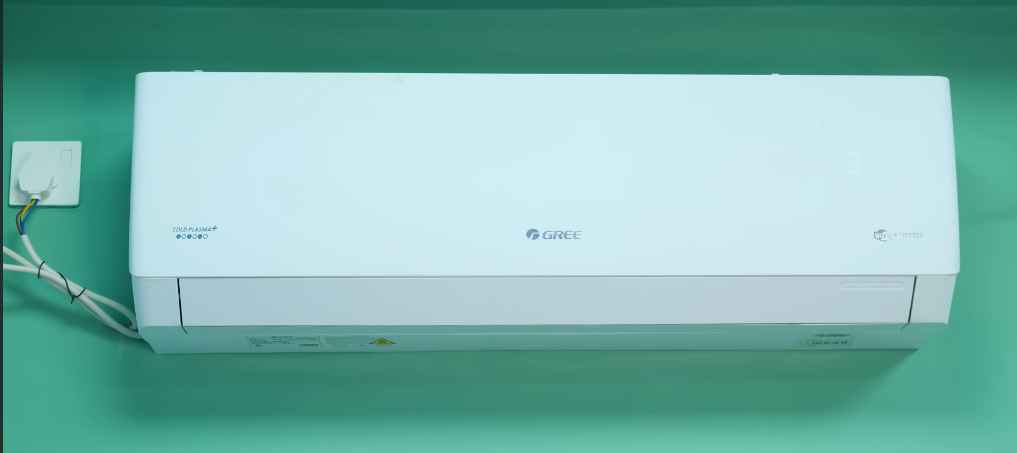
Features and benefits of Gree air conditioners
Gree air conditioners are known for their energy efficiency, advanced technology, and performance capabilities.
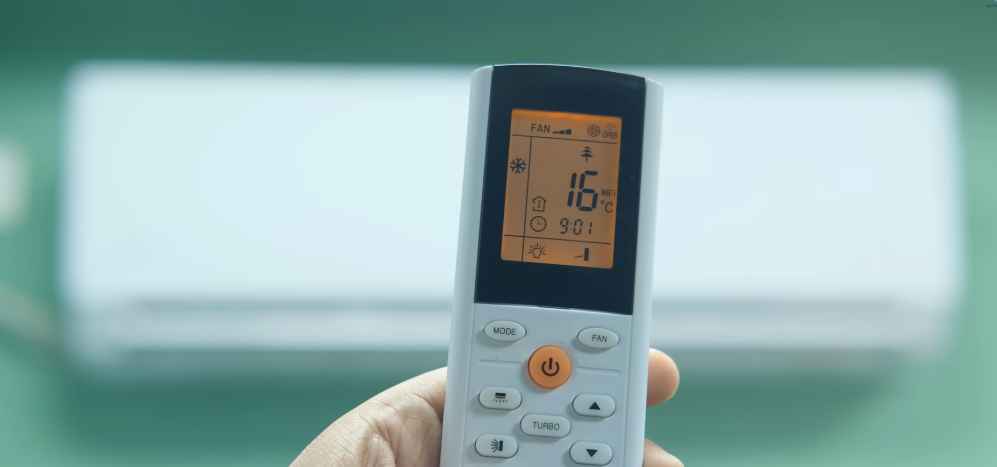
Some of the key features and benefits of Gree air conditioners include:
- Energy efficiency: Many Gree air conditioners have high energy efficiency ratings, which can help save on energy costs and reduce the carbon footprint. Some models even feature Gree’s proprietary G10 inverter technology, which can save up to 60% on energy consumption compared to traditional air conditioners.
- Advanced technology: Gree air conditioners use advanced technology to provide a comfortable and efficient cooling experience. This includes features such as smart controls, multiple fan speeds, and automatic temperature control. Some models also have air purification functions to improve indoor air quality.
- Performance: Gree air conditioners are designed to perform well even in extreme temperatures and humid conditions. They have a high cooling capacity and can quickly cool down a room or space.
- Variety of sizes and styles: Gree offers a wide range of air conditioner sizes and styles to suit different needs and spaces. This includes window units, portable units, and split systems for larger spaces. There are also different color and design options available to suit different aesthetics.
- Durability: Gree air conditioners are built with high-quality materials and are designed to withstand the wear and tear of regular use. Many models come with a long warranty period for added peace of mind.
- Healthy: Gree AC can provide fresh air that will be healthy for you.
Comparison to other air conditioning brands

When comparing Gree air conditioners to other brands, it’s important to consider factors such as energy efficiency, technology, price, and customer satisfaction.
Here is a brief comparison of Gree air conditioners to some other popular brands:
- Daikin: Daikin is a Japanese brand that is known for its advanced technology and energy efficiency. Daikin and Gree offer a wide range of air conditioner sizes and styles, including window, portable, and split systems. In terms of energy efficiency, both brands have high ratings and use advanced technology to save energy. However, Daikin air conditioners tend to be more expensive than Gree air conditioners.
- GE: GE is a well-known American brand that offers a range of air conditioners, including window units, portable units, and split systems. In terms of energy efficiency, GE air conditioners have high ratings and use advanced technology to save energy. However, Gree air conditioners tend to be more energy efficient overall. In terms of price, GE air conditioners tend to be similar to or slightly cheaper than Gree air conditioners.
- Pelonis: Pelonis is a Chinese brand that offers a range of air conditioners, including window units, portable units, and split systems. In terms of energy efficiency, Pelonis air conditioners have high ratings and use advanced technology to save energy. However, Gree air conditioners tend to be more energy efficient overall. In terms of price, Pelonis air conditioners tend to be slightly cheaper than Gree air conditioners.
- Frigidaire: Frigidaire is an American brand that offers a range of air conditioners, including window units, portable units, and split systems. In terms of energy efficiency, Frigidaire air conditioners have high ratings and use advanced technology to save energy. However, Gree air conditioners tend to be more energy efficient overall. In terms of price, Frigidaire air conditioners tend to be similar to or slightly cheaper than Gree air conditioners.
- Dometic: Dometic is a Swedish brand that offers a range of air conditioners, including portable units and split systems. In terms of energy efficiency, Dometic air conditioners have high ratings and use advanced technology to save energy. However, Gree air conditioners tend to be more energy efficient overall. In terms of price, Dometic air conditioners tend to be similar to or slightly more expensive than Gree air conditioners.
- Carrier: Carrier is an American brand that is known for its high-quality air conditioners and innovative technology. Both Carrier and Gree offer a wide range of air conditioner sizes and styles, including window units, portable units, and split systems. In terms of energy efficiency, both brands have high ratings and use advanced technology to save energy. However, Carrier air conditioners tend to be more expensive than Gree air conditioners.
Gree HVAC Brand Overview. Compared to other Heating and Air Conditioners in USA
How Good are Gree Air Conditioners?
Gree air conditioners are known for being reliable, with many models featuring a long lifespan and a good track record for performance.
Gree air conditioners are generally well-regarded for their energy efficiency, durability, and reliability.
It’s always a good idea to do your own research and read reviews from other customers to get a sense of the performance and reliability of a particular model.
Commonly asking questions about Gree HVAC
How energy efficient are Gree air conditioners, and what can I do to improve their energy efficiency?
Gree air conditioners are known for their energy efficiency.
Many of their models have energy-saving features that can help reduce energy consumption and lower energy costs.
